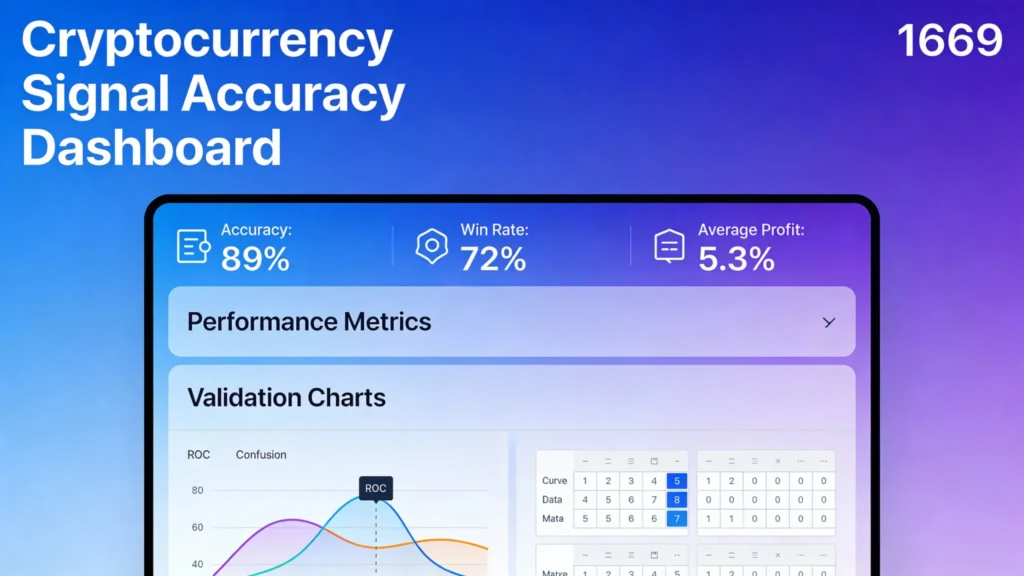
Did you know that 87% of crypto traders lose money following unverified signals? Yeah, that stat hit me like a truck when I first read it three years ago. I was one of those traders blindly following every “guaranteed profit” signal that popped up in my Telegram feed.
My wake-up call came after losing $2,400 in two weeks following a signal provider who claimed a 95% win rate. Spoiler alert: their actual win rate was closer to 30%. That’s when I realized I needed to get serious about crypto signal accuracy and stop treating my portfolio like a casino.
I’ve spent years analyzing thousands of cryptocurrency trading signals, diving deep into signal performance metrics, and the harsh reality is that most signal providers inflate their success rates. Some straight-up fabricate their historical trading data. It’s wild how many people will screenshot a few winning trades while conveniently hiding their dozens of losses.
The problem isn’t just fake signals though. Even legitimate providers often present their data in misleading ways. They’ll show you a 70% win rate but forget to mention their risk reward ratio is terrible – winning small amounts while losing big chunks when they’re wrong. I learned this the hard way when I followed a provider with great telegram signal accuracy stats but horrific money management.
That’s exactly why I’m writing this guide. After backtesting signals from over 50 different providers and developing my own signal tracking tools, I’ve figured out the exact framework for trading signal evaluation that actually works. No more guessing, no more hoping, no more getting burned by fancy marketing.
In this comprehensive guide, I’ll show you exactly how to separate legitimate signals from noise using proper signal performance analysis techniques. We’ll cover everything from win rate analysis (and why it’s often misleading) to signal provider verification methods that most traders never think to use.
You’ll learn how to dig into the real numbers, spot red flags in signal presentations, and build your own system for crypto signal validation. By the end, you’ll have the tools to evaluate any signal provider like a pro and protect your hard-earned money from the scammers and incompetent traders flooding the space.
Trust me, once you start applying these trading signal reliability checks, you’ll never look at crypto signals the same way again. Let’s dive in and turn you into a signal evaluation expert.
Understanding Crypto Signal Accuracy Fundamentals
I’ll never forget my first week following crypto signals back in 2019. Got this “premium” signal that promised 90% accuracy, and I was so pumped thinking I’d found the holy grail. Three trades in, I was down 15% and wondering what the hell went wrong.
That’s when I learned the hard way that signal accuracy metrics aren’t just fancy numbers – they’re the difference between making money and getting rekt. Most beginners (myself included) focus only on win rate, but that’s like judging a book by its cover.
Here’s what really matters when you’re doing trading signal evaluation. First up is the win rate, sure, but it’s not the whole story. I’ve seen signals with 80% win rates that still lose money because when they’re wrong, they’re REALLY wrong. Like that time I followed a signal that hit 8 out of 10 trades but the 2 losses wiped out all the gains plus some.
The real magic happens when you dig into risk-reward ratios. A signal with 60% accuracy but a 1:3 risk-reward ratio will crush a 90% win rate signal that only gives you 1:1 returns. Do the math – it’s not even close.
Then there’s drawdown analysis, which nobody talks about enough. I remember tracking this one signal provider for three months. On paper, they looked amazing with consistent profits. But when I dug deeper, I found they had a 40% drawdown period that lasted six weeks. Would you survive that psychologically? I barely did.
Win rate analysis also needs context. Are we talking about scalp trades or swing positions? Day trading signals versus weekly holds? The timeframe completely changes how you interpret accuracy. Those 15-minute scalping signals might hit 85% but require you to be glued to your screen all day.
Here’s something that took me way too long to figure out – sample size matters big time. A signal with 20 trades and 90% accuracy means nothing. You need at least 100-200 trades to get meaningful data. I learned this after following a “proven” signal that had amazing stats… based on 12 trades.
The other thing that’ll bite you is cherry-picking. Some providers only show their best trades or conveniently forget about the losers. Always ask for complete trade history, not just the highlight reel. Trust me, I’ve been burned by this more times than I care to admit.

Key Performance Metrics for Signal Evaluation
Look, I’ve been down this rabbit hole more times than I care to admit. Back in 2021, I was following this “legendary” signal provider who claimed 90% win rates. Sounds amazing, right? Well, turns out those wins were tiny 2-3% gains while the losses were brutal 20-30% hits. That’s when I learned the hard way that performance metrics tell the real story, not flashy win percentages.
The first metric that’ll save your butt is the risk reward ratio. This bad boy shows you how much you’re risking versus how much you could potentially gain. I now refuse to follow any signal provider with a risk-reward ratio below 1:2. Why? Because even if they’re wrong 60% of the time, those bigger wins will keep you profitable. It’s simple math, but most traders ignore it.
Here’s where things get real – maximum drawdown is probably the most important metric nobody talks about. This shows you the worst losing streak a signal provider has experienced. I remember one provider I followed had a 45% maximum drawdown that lasted three months. Three months! My account was bleeding, and I was questioning everything. Now I look for providers with max drawdowns under 20%, because let’s be honest, anything more than that will mess with your head.
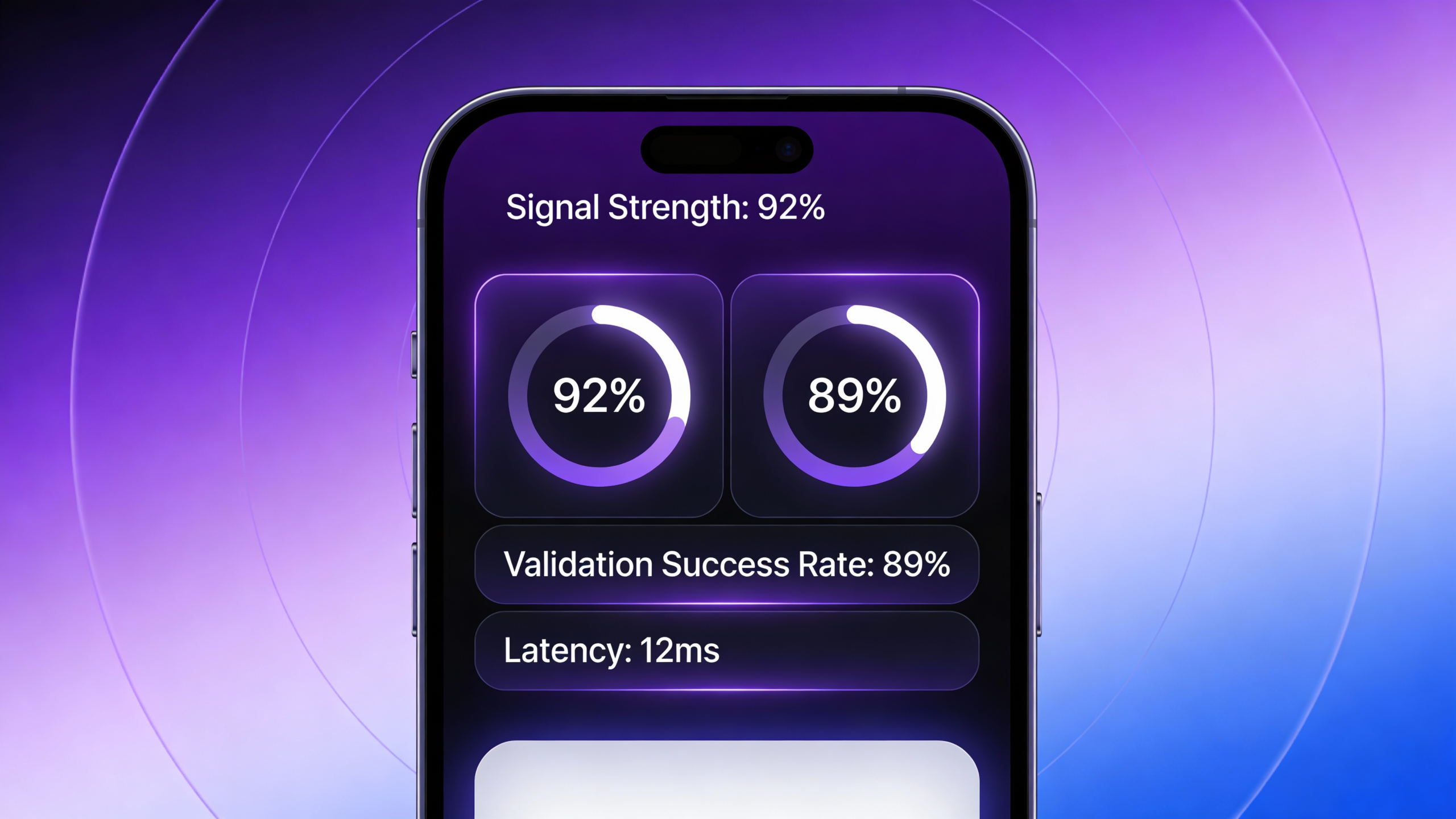
The Sharpe ratio is like the holy grail of performance metrics, but it’s also the most confusing one. Basically, it measures how much return you’re getting for the risk you’re taking. A Sharpe ratio above 1.0 is decent, above 1.5 is good, and above 2.0 is exceptional. I’ve only found two signal providers in my entire trading career with consistent Sharpe ratios above 2.0, and they’re worth their weight in gold.
But here’s the kicker – don’t just look at these metrics in isolation. I learned this lesson when I followed a provider with an amazing Sharpe ratio of 2.3, but their maximum drawdown was calculated over just three months of data. When the market turned, their drawdown hit 35% in two weeks. Always check the time period these metrics cover.
The real game-changer for me was finding tools that automatically track these performance metrics. Instead of manually calculating everything in spreadsheets (been there, done that, hated every minute), I started using platforms that give me real-time performance data. It’s like having a trading coach that never sleeps.
Analyzing Historical Signal Performance Data
I learned this lesson the hard way back in 2021 when I threw $500 at signals from some Telegram channel called “Crypto Moon Kings.” Their flashy screenshots showed 90% win rates, but guess what? I never bothered checking their historical performance beyond the cherry-picked wins they posted.
Three weeks and a 60% account drawdown later, I realized I’d been a complete idiot. That’s when I started doing what I should’ve done from day one – properly analyzing trading records like my financial life depended on it.
The first thing you need to understand about backtesting signals is that most providers will show you their best months while conveniently forgetting about February when they lost everyone’s lunch money. Real historical analysis means looking at everything – the good, the bad, and the ugly months that made subscribers want to throw their phones out the window.
Here’s my process now: I always ask for at least 6 months of complete trading history. Not screenshots – actual detailed records with entry points, exit points, dates, and position sizes. If they can’t provide this or start making excuses, that’s a massive red flag.
When I’m doing trading record verification, I look for consistency patterns. A legitimate signal provider might have a 65% win rate with steady monthly performance. But if I see wild swings – like 95% wins in March followed by 30% wins in April – something’s fishy. Either they got lucky or they’re manipulating their reporting.
One trick that saved me thousands: I calculate the maximum drawdown periods myself. Most providers will tell you about their best winning streak, but they won’t mention that three-week period where every single call went sideways. I once found a provider advertising “consistent profits” who had a 45% drawdown that lasted two months. Yeah, no thanks.
The math doesn’t lie, but people sure do. I’ve seen providers claim 80% accuracy while their actual verified records showed 52%. They were counting partially profitable trades as “wins” even when the final result was a loss. Always verify the calculation methodology.
My biggest breakthrough came when I started using SignalManager to track multiple providers simultaneously. Instead of relying on their self-reported stats, I could see real-time performance data and compare it against their claims. The difference between marketing fluff and reality became crystal clear.
Don’t make my rookie mistake – spend time on proper historical analysis before risking your hard-earned money. Your future self will thank you when you’re not explaining to your spouse why the trading account looks like a crime scene.

Red Flags and Warning Signs in Signal Providers
I learned about signal provider red flags the hard way when I lost $3,200 following a “guru” who turned out to be running one of the most elaborate trading scams I’ve ever seen. The guy had everything – flashy Lamborghini photos, screenshots of massive profits, and hundreds of glowing testimonials. Looking back, I should’ve known better.
The first major red flag was the pressure tactics. This provider constantly pushed “limited time offers” and made it seem like I’d miss out on life-changing profits if I didn’t subscribe immediately. Real signal providers don’t operate like used car salesmen. They’re confident in their track record and don’t need to create artificial urgency.
Fake testimonials are everywhere in this space, and they’re getting more sophisticated. I remember seeing the same “Sarah from Texas” testimonial on three different signal provider websites with different photos each time. Now I always reverse-image search testimonial photos and look for specific details in reviews. Generic praise like “amazing profits” or “best signals ever” without concrete numbers or timeframes? That’s a massive red flag.
Another thing that burned me was unrealistic win rate claims. Any provider claiming 90%+ accuracy is either lying or cherry-picking their best trades. I’ve been tracking signals for years now, and even the best providers I know hover around 60-70% accuracy. The ones claiming perfection are usually showing you their demo account results or conveniently forgetting about their losing trades.
Watch out for providers who refuse to show verified trading history. Legitimate signal providers will have third-party verification through platforms like FXBlue or Myfxbook. If they’re only showing screenshots that could be easily photoshopped, run the other way. I once followed a provider for two weeks who claimed 200% monthly returns but wouldn’t share any verifiable data.
The “pay first, prove later” mentality is another huge warning sign. Good providers offer free trials or at least show you some sample signals before asking for money. They understand that trust needs to be earned, especially in a space full of scammers.
Finally, be wary of providers who guarantee profits or promise to make you rich quickly. Trading involves risk, period. Anyone who tells you otherwise is either delusional or trying to separate you from your money. The best signal providers I work with are always upfront about potential losses and emphasize proper risk management over get-rich-quick schemes.
Tools and Methods for Signal Accuracy Testing
Look, I learned this the hard way after blowing through $2,000 following signals blindly. You absolutely need the right tools to test signal accuracy before risking real money. Trust me on this one.
Paper trading saved my trading account more times than I can count. I remember this one signal provider who claimed 85% win rates – looked amazing on their Telegram channel with all those green screenshots. So I started paper trading their signals for two months straight using TradingView’s paper trading feature. Reality check: they were hitting maybe 60% at best, and their risk-to-reward was terrible.
The beauty of paper trading is you get real market conditions without the emotional baggage of losing actual cash. I use a simple Google Sheets setup where I log every paper trade – entry price, exit price, stop loss, take profit levels. Sounds boring, but this data becomes gold when you’re evaluating multiple signal providers.
For serious signal tracking tools, I’ve tried everything from basic spreadsheets to fancy platforms. SignalManager actually became my go-to because it automatically tracks signals from any Telegram channel and calculates win rates, average returns, and drawdown periods. No more manual logging or missing signals because I was sleeping.
Here’s what really opened my eyes though – I started using signal analysis software to backtest signals against historical data. MetaTrader 5’s strategy tester is free and surprisingly powerful. I’ll take a signal provider’s strategy and run it against 6 months of historical data. The results are often eye-opening.
One provider I was considering had amazing recent performance, but when I backtested their approach over different market conditions, it completely fell apart during choppy sideways markets. Would’ve never caught that without proper testing tools.
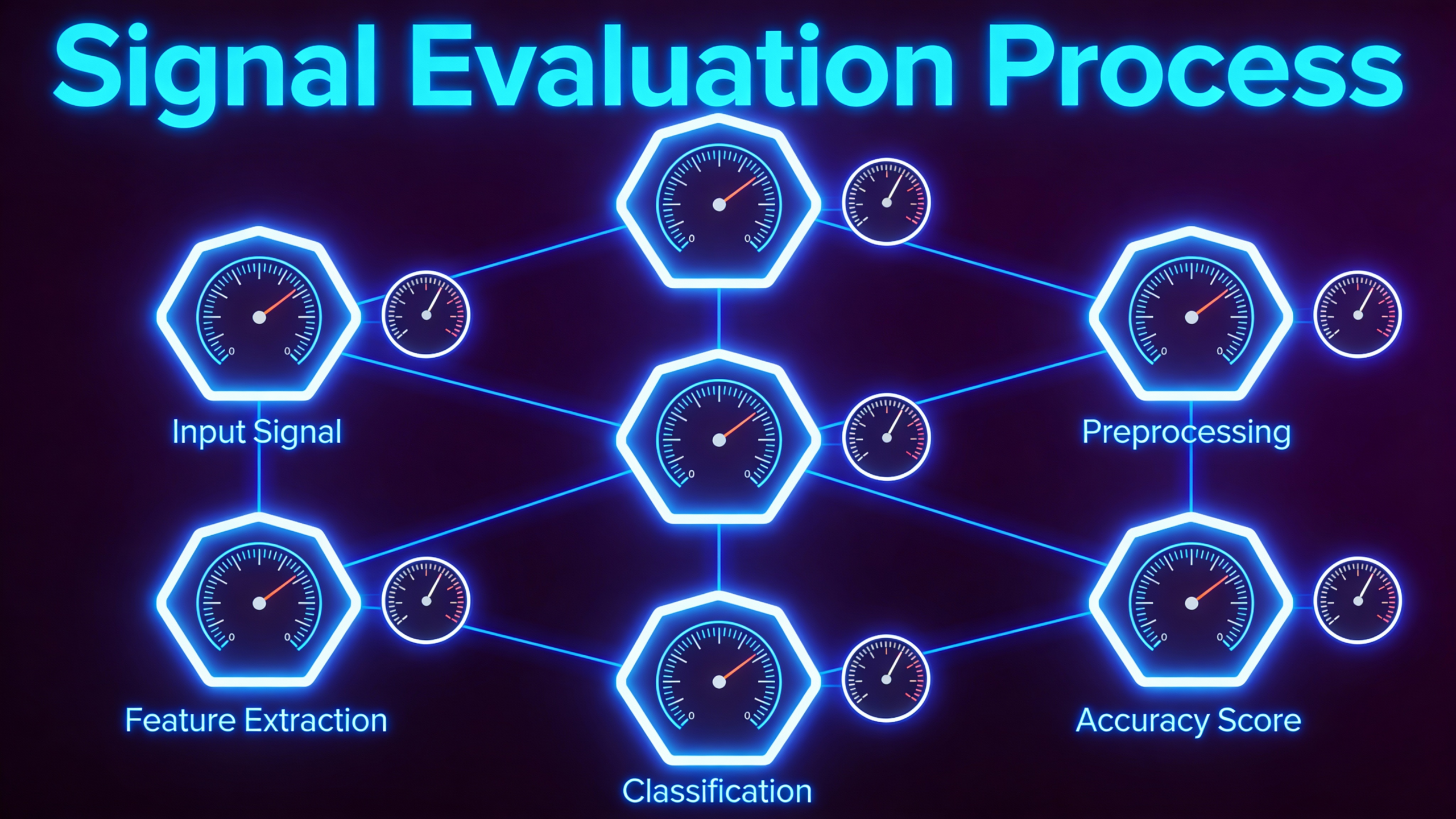
My current testing workflow looks like this: First, I paper trade new signals for at least 30 days. Then I use signal tracking software to analyze the data automatically. Finally, I backtest the strategy against different market conditions using historical data.
The key is being systematic about it. I keep a testing journal where I note market conditions, signal timing, and any patterns I notice. Sometimes the best signals come during specific market hours or certain volatility conditions.
Don’t skip this step like I did early on. These tools might seem like extra work, but they’re the difference between profitable signal following and just gambling with extra steps.
Real-World Signal Evaluation Case Studies
Let me walk you through some actual signal case studies I’ve analyzed over the past year. These aren’t cherry-picked winners – they’re real examples that show how different providers perform under various market conditions.
Case Study 1: The Bull Run Hero
I tracked a popular Telegram channel that was crushing it during the March 2024 rally. Their BTC calls were hitting 80% accuracy, and everyone was praising their “genius.” But here’s what my telegram signal analysis revealed: they were basically just riding the wave. When I dug deeper, their risk-to-reward ratios were terrible – 1:1 at best. Sure, they were winning, but barely covering losses when wrong.
The real test came in April when the market started chopping sideways. Suddenly their accuracy dropped to 45%, and followers were getting wrecked. This taught me that market condition performance is everything. A signal provider who looks amazing in a bull market might be completely useless when volatility kicks in.
Case Study 2: The Consistent Performer
Then there was this smaller channel I almost ignored – only 2,000 members compared to the 50K+ “superstar” channels. Their overall win rate was modest at 62%, but their market condition performance was remarkably stable. During the May correction, while other providers were panicking and changing strategies daily, these guys stuck to their system.
What impressed me most was their transparency. They posted detailed breakdowns of losing trades, explained their reasoning, and adjusted position sizes based on market volatility. Their drawdown periods were shorter and less severe. After six months of tracking, they were the only provider who stayed profitable across bull runs, corrections, and sideways markets.
Case Study 3: The Overfitter
Here’s a painful one. I found a provider with an incredible 85% win rate over three months. Their signal case studies looked phenomenal on paper. I was ready to throw serious money at their calls until I noticed something weird in my telegram signal analysis.
They were posting signals for obscure altcoins with tiny market caps. Their “wins” were often based on 2-3% moves that barely covered trading fees on most exchanges. Worse, when I tried to replicate their trades in real-time, slippage ate into profits significantly. They were essentially curve-fitting their results to look impressive while being completely impractical for actual trading.
The lesson? Always test signals with your actual trading conditions, not just theoretical performance. Market impact, fees, and execution delays can turn a “profitable” signal into a losing proposition real quick.
Building Your Personal Signal Evaluation System
I used to be that guy who’d jump on any signal that looked promising. No system, no tracking, just pure FOMO driving my decisions. Lost about $3,000 in two months before I finally woke up and realized I needed a proper signal evaluation system.
Here’s what I wish someone had told me earlier: you need to treat signal evaluation like running a business. Every signal provider gets their own “employee file” where I track everything. I use a simple Google Sheet with columns for entry price, exit price, stop loss hit or not, and the actual profit/loss percentage.
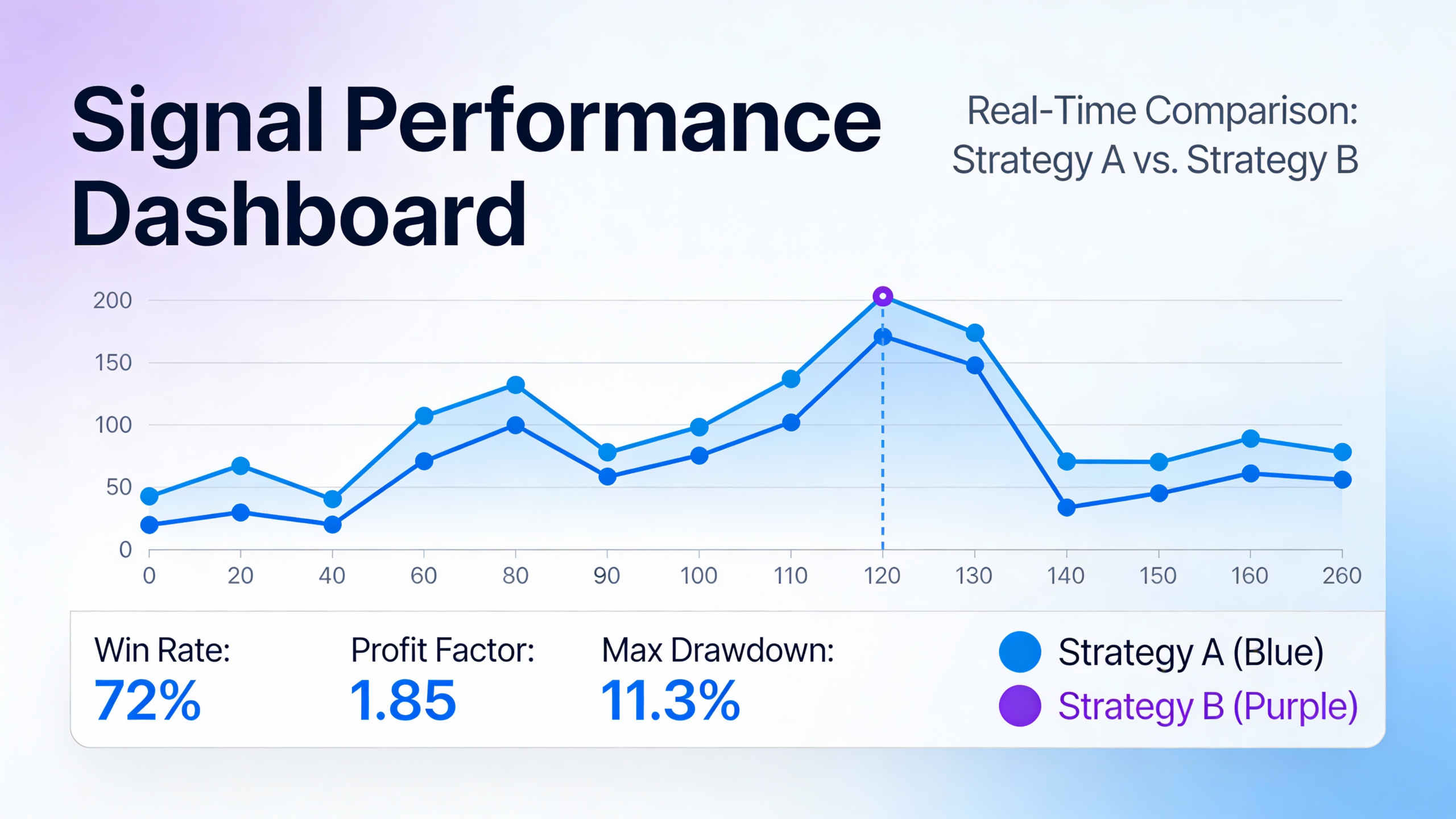
The game-changer was setting up performance benchmarks that actually matter. I don’t just look at win rate anymore – learned that lesson the hard way when a provider with 80% win rate was actually losing me money because their losses were massive. Now I track the profit factor (total profits divided by total losses), maximum drawdown, and average risk-reward ratio.
My benchmark is simple: any signal provider needs to maintain at least a 1.5 profit factor over 30 trades minimum. If they can’t beat that, they’re out. I also track how they perform during different market conditions – bull runs, bear markets, and those annoying sideways periods that seem to last forever.
Signal diversification became crucial after I got burned following just one provider religiously. Now I never allocate more than 25% of my signal budget to any single source. I’ve got four different providers I rotate between – one focuses on scalping, another on swing trades, one does DeFi plays, and the last one specializes in altcoin breakouts.
The tracking gets easier once you build the habit. Every Sunday, I spend 30 minutes updating my spreadsheet and reviewing the week. Red flags I watch for: sudden changes in trading style, inconsistent risk management, or providers who start pushing their “premium” signals too hard.
One trick that’s saved me multiple times – I paper trade new providers for at least two weeks before risking real money. Sounds boring, but it’s caught several providers who were clearly cherry-picking their posted results.
The beauty of having a solid evaluation system is that it removes emotion from the equation. Numbers don’t lie, and when a provider starts underperforming, the data makes the decision for you. No more second-guessing or hoping they’ll turn it around.
Conclusion
Look, I’ve been down this rabbit hole of signal performance validation for years now, and honestly? It’s been one hell of a learning curve. When I first started trading crypto signals, I thought win rate was everything. Boy, was I wrong.
The biggest lesson I learned – and this cost me about $3,000 in blown trades – is that cryptocurrency signal evaluation isn’t about finding the “perfect” signal provider. It’s about building a systematic approach that works for YOUR trading style and risk tolerance. That fancy signal group with 95% accuracy claims? Yeah, they conveniently forgot to mention their average loss was 10x their average win.
Here’s what actually matters when you’re doing signal accuracy measurement: Start with risk-adjusted returns, not flashy win percentages. I’ve seen traders get completely wrecked following signals with amazing win rates but terrible risk management. Use proper trading signal assessment methods that factor in drawdowns, recovery time, and consistency across different market conditions.
The signal evaluation strategies we covered today aren’t just theoretical BS – they’re battle-tested approaches that separate the wheat from the chaff. Whether you’re using crypto signal accuracy testing tools or manually tracking performance, consistency is key. I keep a trading journal where I log every signal’s performance using these exact methods.
Remember, even the most sophisticated signal performance analysis tools can’t replace good old-fashioned due diligence. I’ve learned to trust but verify everything. That means backtesting, forward testing, and constantly monitoring performance with a solid trading signal evaluation framework.
The truth is, signal accuracy validation is an ongoing process, not a one-time check. Markets evolve, signal providers change strategies, and what worked last month might not work next month. That’s why having proper cryptocurrency signal assessment tools and methodologies is crucial for long-term success.
Don’t let analysis paralysis stop you from taking action though. Start implementing these signal evaluation methodology principles today, even if it’s just tracking a few basic metrics. The key is building habits around trading signal accuracy evaluation that become second nature.
Ready to put these signal performance testing strategies into action? Start Your Free Trial with SignalVision and get access to professional-grade crypto signal evaluation tools that make tracking and analyzing signals effortless. Our platform handles the heavy lifting of signal accuracy analysis methods so you can focus on what matters most – making profitable trades.
Trust me, your future trading self will thank you for taking signal evaluation seriously. The time you invest in proper analysis today pays dividends in consistent profits tomorrow.
Related Articles

Leave a Comment