Did you know that over $4.6 billion was lost to crypto scams in 2023, with Telegram signal scams accounting for nearly 30% of these losses? That stat still gives me chills because I remember when I almost became part of it myself.
Back in 2021, I was scrolling through crypto Twitter when I stumbled across this “exclusive” Telegram group promising 90% win rates on their signals. The screenshots looked legit, the testimonials seemed real, and honestly? I was desperate after losing money on my own trades for weeks straight.
Thank God my buddy Jake called me out before I sent them my “membership fee.” He’d been burned by similar crypto signal scams telegram groups before and recognized the red flags I was completely blind to. That wake-up call saved me from what turned out to be a classic pump and dump scheme that collapsed within days.
The reality is brutal – telegram signal safety isn’t something most traders think about until it’s too late. These scammers are getting more sophisticated by the day, creating fake trading histories, buying fake testimonials, and even running elaborate social proof campaigns that can fool experienced traders.
I’ve spent the last three years diving deep into crypto fraud prevention, not just to protect myself, but to help other traders avoid the heartbreak I’ve witnessed. I’ve seen people lose their kids’ college funds, retirement savings, and in one devastating case, a friend’s entire life savings to these predators.
But here’s what keeps me optimistic – legitimate crypto signals do exist, and they can genuinely help your trading when you know how to spot them. The key is understanding the difference between professional signal providers who are transparent about their methods versus the wolves in sheep’s clothing who prey on desperation and FOMO.
Throughout this guide, I’ll share the hard-learned lessons about crypto scam red flags, the specific tactics these fraudsters use, and most importantly, how to verify signal providers before trusting them with your hard-earned money. We’ll cover everything from identifying fake crypto signals to protecting yourself from telegram crypto fraud without becoming so paranoid that you miss out on genuine opportunities.
Because at the end of the day, successful trading isn’t just about making profits – it’s about keeping the money you make safe from those who want to steal it.
Understanding Crypto Signal Scams: Common Types and Tactics
I’ll never forget the first time I got burned by a crypto signal scam. This was back in 2019, and I thought I was being smart by joining this “exclusive” Telegram group that promised 90% win rates. The admin had all these fancy charts, testimonials from “successful members,” and even posted screenshots of massive profits. I was hooked.
Looking back now, all the red flags were there, but I was too eager to see them. The most common crypto scam tactics prey on exactly this kind of FOMO mindset that we all get sometimes.
Pump and dump schemes are probably the most brutal ones I’ve encountered. Here’s how they work: scammers accumulate a low-cap altcoin quietly, then blast out “urgent buy signals” to thousands of followers. Everyone rushes in, the price spikes, and boom – the scammers dump their bags on you. I watched this happen with some random DeFi token where the “signal” promised 300% gains. Within 20 minutes, I was down 60%.
What really gets me angry is how sophisticated the fake testimonials have become. These aren’t just basic “I made $10K” screenshots anymore. Now they create entire fake personas with profile pictures, detailed backstories, and even fake conversation threads. I spent hours analyzing one group’s testimonials and realized they were all using stock photos and recycled success stories from other scams.
The psychological manipulation is insane too. They’ll post a few legitimate-looking trades that actually work (usually on major coins during obvious bull runs), then use those wins to build credibility. Once you’re hooked, that’s when the real trading fraud begins. They’ll push you toward “premium signals” or direct you to sketchy exchanges where they get kickbacks.
Another tactic I’ve seen way too often is the fake urgency play. “EMERGENCY SIGNAL – ONLY 5 MINUTES LEFT TO BUY!” This creates panic buying, which is exactly what pump and dump schemes need to work. They know most people won’t have time to do proper research when they think they’re about to miss out on easy money.
The worst part? These scammers often target beginners who are just trying to learn. They’ll offer “free education” and “mentorship,” then slowly introduce paid services or direct people to affiliate links. It’s predatory, and it gives legitimate signal providers a bad name.
Trust me, once you understand these patterns, they become pretty obvious. But when you’re new to crypto and desperate to make profits, it’s easy to fall for this stuff.
Red Flags: Warning Signs of Telegram Signal Scams
I’ve been in enough fake signal groups to spot the scam red flags from a mile away now. Trust me, I learned this the hard way after losing $800 to what I thought was a “premium” group back in 2021.
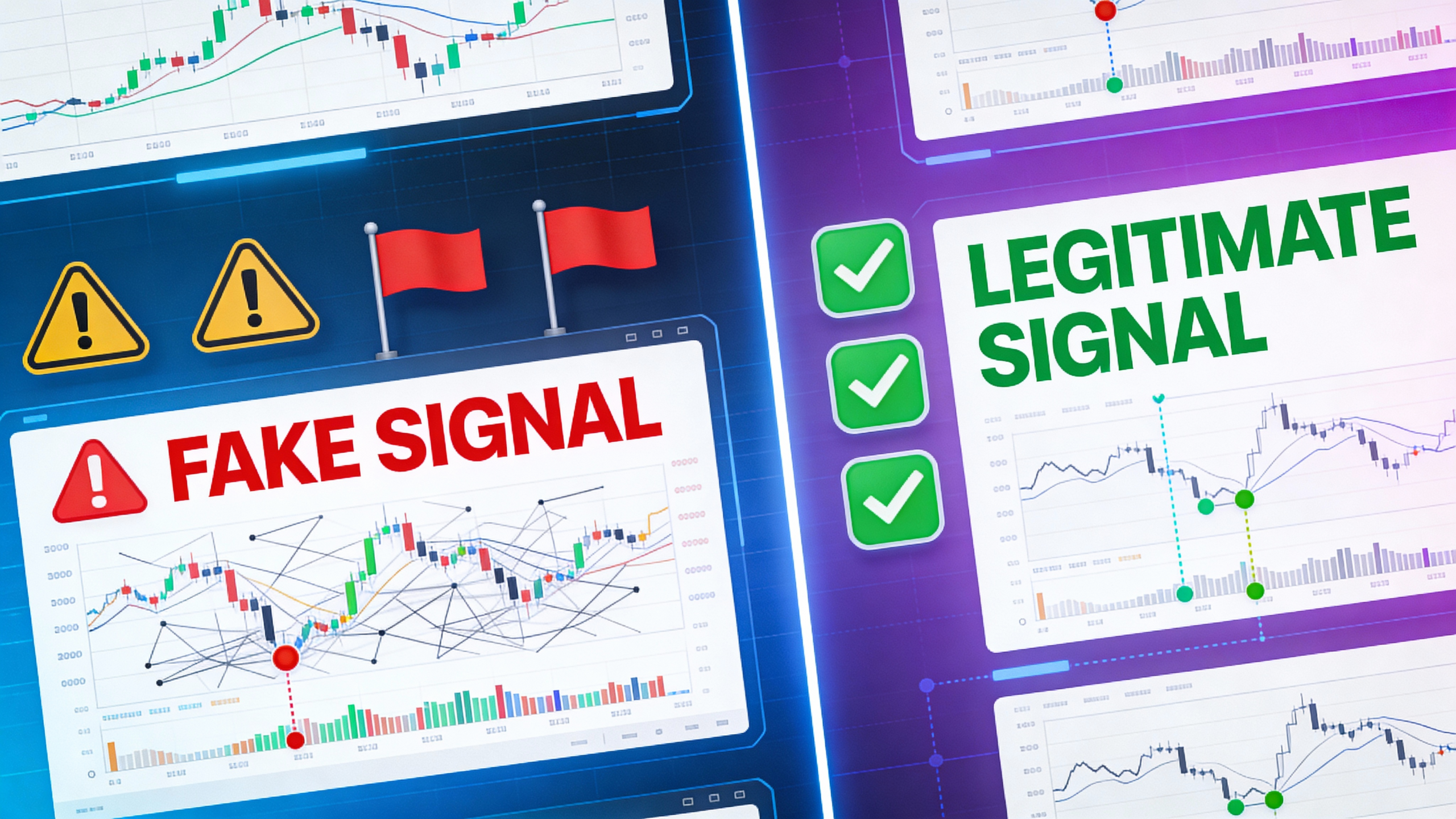
The first major telegram warning sign that should make you run? When they promise unrealistic returns like “300% guaranteed profits in 24 hours.” Real traders know that consistent 5-10% monthly gains are actually pretty damn good. If someone’s claiming they can triple your money overnight, they’re either lying or about to get you rekt.
Another dead giveaway is when the group admin constantly posts screenshots of massive gains but never shows the losses. I remember being in this one group where the guy would post these incredible Binance screenshots showing $50k profits. Turns out he was photoshopping them – I only figured this out when I reverse-searched one of his images and found the original template online.
Fake signal groups also love to use fake testimonials and bot accounts. You’ll see the same generic “Thanks admin, made $5000 today!” messages over and over. Real trading groups have actual conversations about market analysis, not just endless praise for the admin.
Here’s something that took me way too long to notice: legitimate signal providers will always explain their reasoning behind trades. They’ll talk about support levels, market trends, or technical indicators. Scammers just drop random coin names with rocket emojis and call it a day.
The payment structure is another huge crypto fraud indicator. Scammers often demand payment in crypto only, usually asking for Bitcoin or some obscure altcoin. They’ll say it’s for “anonymity” but really they just want payments they can’t reverse. Legit services offer multiple payment options and proper invoicing.
Watch out for groups that suddenly pivot to “VIP” or “premium” tiers after giving you a few decent free signals. This is classic bait-and-switch. They hook you with some lucky calls, then pressure you to pay for the “real” signals that supposedly make the big money.
The urgency tactics drive me crazy too. “Only 10 spots left!” or “Price doubles tomorrow!” – this artificial scarcity is manipulation 101. Real trading education doesn’t expire at midnight like some infomercial.
One thing that really helped me was joining established communities first to learn what legitimate signal sharing actually looks like. When you’ve seen the real deal, spotting the fakes becomes second nature.
How to Research and Verify Legitimate Signal Providers
I’ll be straight with you – I’ve been burned by fake signal providers more times than I care to admit. Back in 2019, I threw $500 at this “guaranteed profit” channel that had 50k subscribers and flashy Lamborghini photos. Spoiler alert: I lost everything within two weeks.
The thing is, learning how to verify signal providers properly isn’t rocket science, but it does require some detective work. Most people skip this step because they’re too excited about potential profits, but trust me, spending an hour researching can save you thousands.
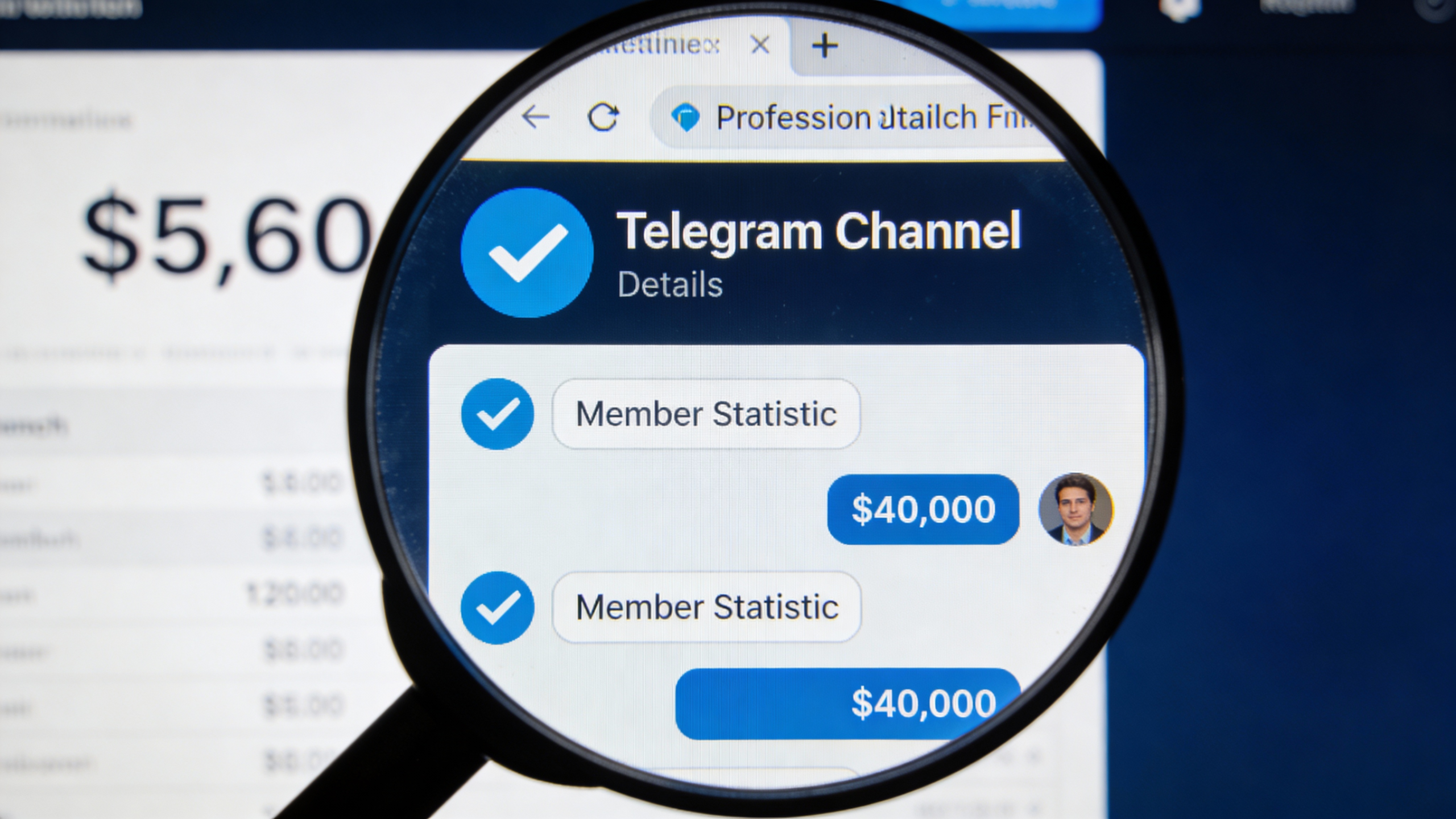
First thing I always do now is demand to see their actual trading history. Not screenshots – anyone can photoshop those. I’m talking about verified third-party platforms like Myfxbook or TradingView where they can’t manipulate the data. Legitimate crypto signals providers should have no problem sharing this stuff. If they make excuses or say their “strategy is too secretive,” that’s a massive red flag.
Here’s my go-to checklist for signal provider research. I look for at least 6 months of consistent performance data, not just cherry-picked winning trades. The win rate should be realistic – anything claiming 90%+ success is probably BS. Real traders have losing streaks, and honest providers will show you both the good and ugly.
Social proof matters, but you gotta be smart about it. I’ve seen channels buy thousands of fake subscribers and comments. What I do is scroll through their comment history and look for genuine engagement. Are people asking real questions? Do the responses sound natural? Fake channels usually have generic “thanks for the signals!” comments that feel robotic.
Another trick that saved my ass multiple times: I always start with their free signals first. Any provider worth their salt offers some free content to build trust. I track these free signals for at least a month before considering their paid services. This gives me real insight into their trading history verification process.
Don’t forget to check their communication style too. Legit providers explain their reasoning behind trades, discuss risk management, and admit when they’re wrong. Scammers just post “BUY NOW” without any context or analysis.
One last thing – if they’re pressuring you to join immediately with “limited time offers” or claiming spots are running out, run the other way. Quality signal providers don’t need high-pressure sales tactics because their results speak for themselves.
Safe Practices for Joining Telegram Signal Groups
I learned these telegram safety practices the hard way after joining what I thought was a legit signal group back in 2021. Turned out to be a complete disaster that cost me about $800 in bad trades and fees. But hey, at least I can share what I wish someone had told me before I dove headfirst into the crypto signal world.
Start small, always. I don’t care how amazing their track record looks or how many testimonials they have. When you first join any signal group, treat it like you’re test-driving a car – you wouldn’t buy it without checking under the hood first, right?
Here’s what I do now for crypto signal safety: I allocate maybe 2-3% of my trading capital to test new signals for at least two weeks. During this period, I’m not looking at their claimed 80% win rate or whatever flashy number they’re throwing around. I’m watching how they handle losing trades, whether they actually post real-time entries and exits, and if their risk-to-reward ratios make sense.
The verification process is crucial too. Real signal providers will have consistent posting schedules and won’t disappear when trades go south. I once joined a group where the admin would delete losing signals within hours – massive red flag. Legitimate traders own their losses and use them as learning opportunities.
For risk management, never use the exact position sizes they recommend. These signal providers don’t know your account size, your risk tolerance, or your financial situation. I typically use half their suggested position size when starting out. If they say 5% of portfolio, I’m doing 2.5% max. This saved my ass more times than I can count.
Another thing about secure trading practices – always verify signals independently. I use TradingView to double-check their technical analysis. Takes maybe 30 seconds per signal, but it’s caught several questionable setups where the charts didn’t match their bullish claims.
Document everything. I keep a simple spreadsheet tracking which signals I took, entry/exit prices, and results. This data becomes gold when you’re evaluating whether a signal provider is actually profitable or just lucky. After three months, the numbers don’t lie.
One last tip: if a group starts pushing exclusive “VIP” signals for extra money after you’ve already paid, run. Quality signal providers deliver value upfront, not through endless upsells. Trust me on this one – I’ve been down that rabbit hole and it never ends well.
Protecting Your Funds: Security Best Practices
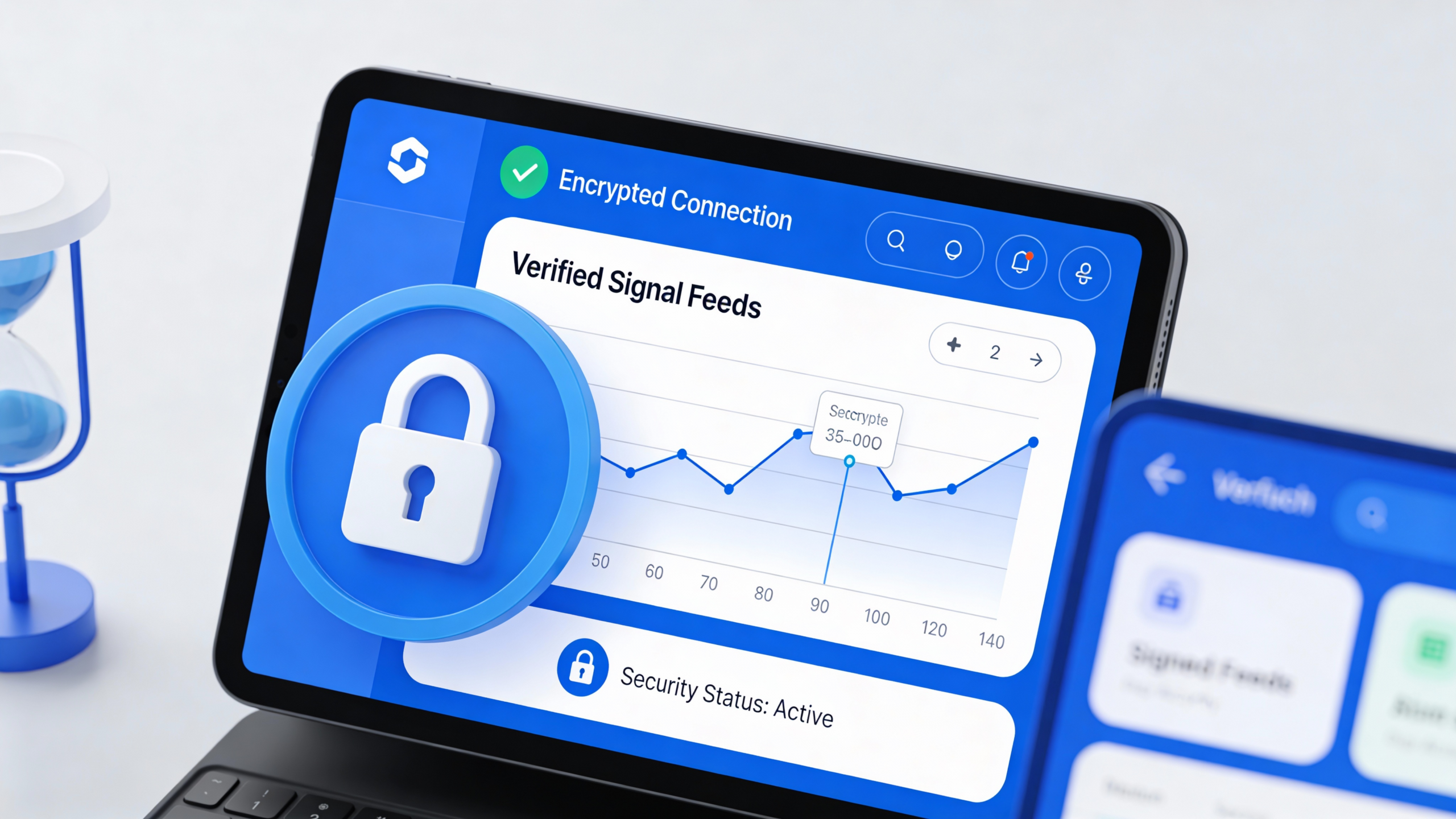
I learned about crypto security the hard way when I woke up one morning to find my MetaMask wallet completely drained. $3,200 gone, just like that. Turns out I’d been careless with my seed phrase after joining what seemed like a “premium signal group.” That day changed everything about how I approach fund protection.
The first thing I did after that disaster was get myself proper hardware wallets. I grabbed a Ledger Nano X and later added a Trezor for backup. Yeah, it felt like overkill at the time, but having your crypto stored offline is like keeping your cash in a safe instead of under your mattress. These devices cost around $100-150, which seems expensive until you lose thousands because you trusted a hot wallet.
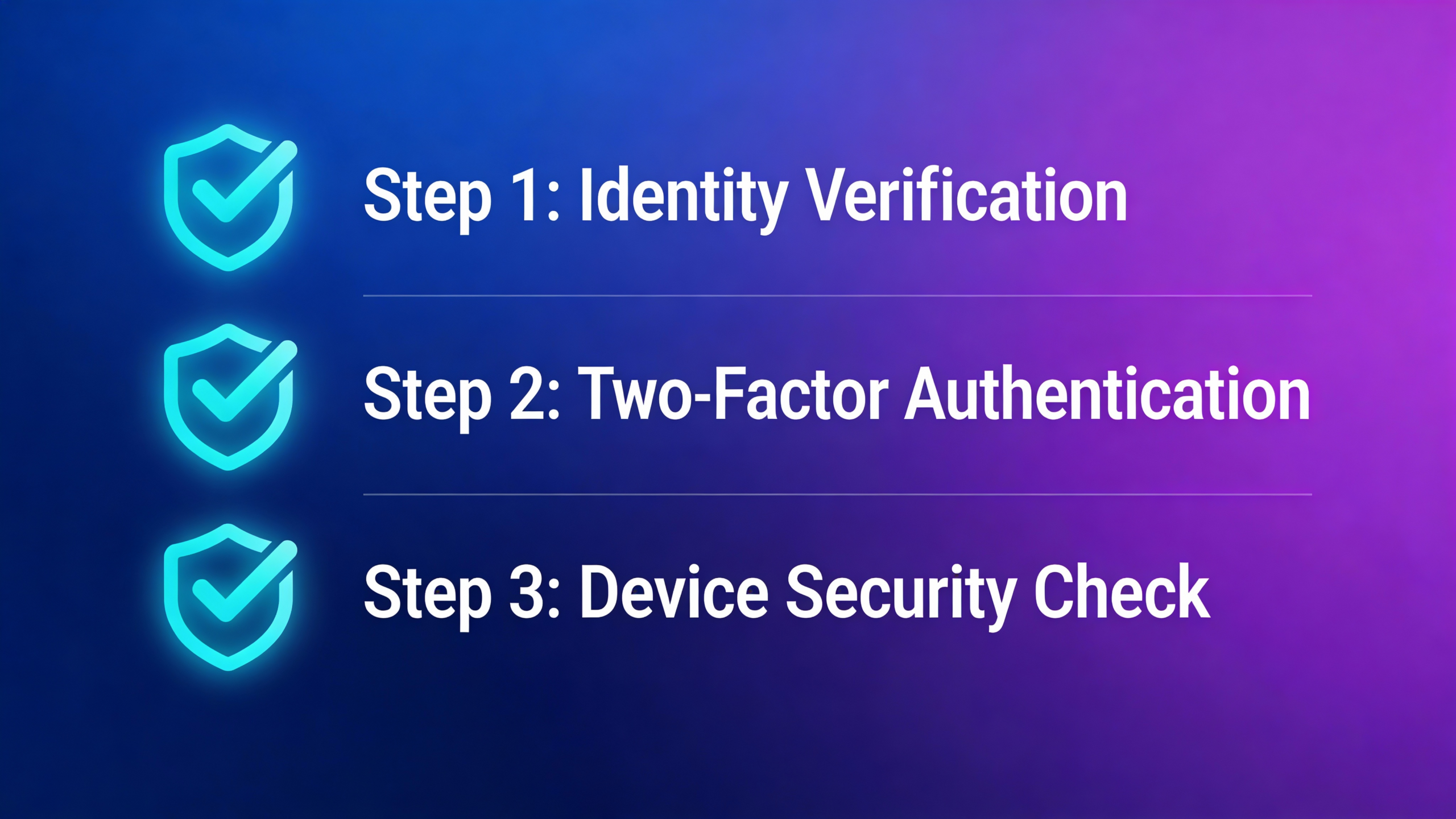
Here’s something most people mess up – they use the same password for everything. Your trading account security needs to be bulletproof because that’s where scammers hit hardest. I use completely unique passwords for each exchange, and I’m talking 16+ character monsters with symbols, numbers, the whole nine yards. LastPass or Bitwarden make this manageable without driving yourself crazy.
Two factor authentication is non-negotiable, but here’s the kicker – don’t use SMS if you can avoid it. SIM swapping is real and it’s terrifying. I switched to Google Authenticator after reading horror stories about people getting their phone numbers hijacked. Takes an extra 30 seconds to log in, but it’s saved my ass multiple times when I got notifications about login attempts from random countries.
Never, and I mean NEVER, give anyone your private keys or seed phrases. Legitimate signal providers will never ask for this stuff. If someone in a Telegram group is asking for your wallet details to “verify your account” or “send you bonus tokens,” run. I’ve seen people fall for this dozens of times, thinking they’re getting exclusive access to some VIP trading opportunity.
One more thing that burned me early on – always double-check withdrawal addresses. I once sent 0.5 ETH to the wrong address because I was rushing to follow a signal. That $800 mistake taught me to slow down and verify everything twice. Copy-paste the address, then check the first and last few characters manually.
Set up withdrawal limits on your exchanges too. Most platforms let you restrict daily withdrawals, which gives you time to react if something goes wrong. It’s like having a safety net that costs you nothing but could save everything.
What to Do If You’ve Been Scammed
Okay, so you’ve been hit. Trust me, I’ve been there – that sinking feeling in your stomach when you realize you’ve been played. Back in 2019, I lost about $800 to what I thought was a “premium signals group.” The worst part wasn’t even the money, it was feeling like a complete idiot.
But here’s the thing – panicking won’t get your funds back. I learned this the hard way after spending two days refreshing my wallet hoping the transaction would somehow reverse itself. Spoiler alert: it didn’t.
First things first – document everything. Screenshot every conversation, transaction ID, wallet address, and promise they made. I wish someone had told me this immediately. I was so embarrassed that I almost deleted the evidence, which would’ve been the dumbest move ever.
Next, start your crypto scam recovery process by reporting it everywhere you can. File a complaint with the FTC at reportfraud.ftc.gov – it takes like 10 minutes and creates an official record. Then hit up the FBI’s IC3 (Internet Crime Complaint Center). Yeah, they probably won’t personally hunt down your scammer, but these reports help build cases against larger operations.
Don’t forget to report telegram scams directly to Telegram too. Go to the scammer’s profile, hit those three dots, and select “Report.” Choose “Spam” or “Scam” depending on what fits. Telegram actually does ban accounts when they get enough reports, so you might save someone else from getting burned.
Here’s where it gets tricky – avoid the “recovery services” that’ll probably start messaging you. After I got scammed, I had like five different “crypto recovery experts” slide into my DMs promising to get my money back for just a small upfront fee. It’s scammers trying to scam the scammed. Don’t fall for it twice.
For real fraud reporting and scam victim support, check out the AARP Fraud Watch Network or contact your local consumer protection agency. These organizations actually know what they’re doing and won’t charge you for help.
Look, I’m not gonna lie – getting your crypto back is tough. Most of the time, it’s gone for good. But reporting it helps authorities track patterns and might prevent others from getting hit. Plus, some exchanges are getting better at freezing scammer accounts when they receive reports quickly enough.
The silver lining? You’re now scam-proof for life. I’ve never fallen for another crypto scam because I learned to spot the red flags from a mile away.
Choosing Legitimate Signal Services: Features to Look For
After getting burned by three different scam services (yeah, I’m a slow learner sometimes), I finally figured out what separates the real deal from the wannabes. The difference between legitimate signal services and scammers isn’t always obvious at first glance, but there are some dead giveaways once you know what to look for.
First thing I always check now? Transparent track records. Real services aren’t afraid to show their losses alongside their wins. I remember one service that claimed 95% win rate but wouldn’t show me any actual trading history. Red flag central. Professional trading signals come with detailed performance metrics, including drawdown periods and losing streaks. If they’re hiding the bad stuff, run.
Risk management features are absolutely crucial. Any legit service should have built-in stop losses, position sizing guidelines, and clear risk-to-reward ratios. I learned this the hard way when I followed signals that had me risking 20% of my account on single trades. That’s not professional – that’s gambling with fancy charts.
Here’s what I look for in signal service features now: detailed entry and exit points, multiple take-profit levels, and most importantly, the reasoning behind each trade. The best services explain their analysis, whether it’s technical patterns, fundamental factors, or market sentiment. If they just say “buy XYZ because moon,” that’s not analysis.
Customer support quality tells you everything. Trusted crypto signals providers respond to questions professionally and promptly. They don’t get defensive when you ask about losing trades or request clarification. I once had a service admin block me for asking why three signals in a row hit stop losses. That should’ve been my cue to leave immediately.
Pricing transparency matters too. Legitimate services have clear fee structures without hidden costs or pressure tactics. They offer trial periods or money-back guarantees because they’re confident in their product. If they’re pushing you to “act now” with some fake countdown timer, that’s manipulation, not marketing.
Look for services that integrate with actual trading platforms rather than just posting screenshots. Real automation capabilities, like what we’ve built into SignalShot, show they understand modern trading workflows. Manual copying from Telegram screenshots is so 2020.
The community aspect is huge. Check if they have active, engaged users discussing trades openly. Fake services often have dead chats or only cheerleader comments. Real traders ask questions, share concerns, and discuss market conditions honestly.
Conclusion
Look, I’ve been down this rabbit hole for years now, and I can’t stress this enough – protecting yourself from crypto signal scams requires vigilance, research, and smart security practices. It’s not just about making money; it’s about not losing everything you’ve worked for to some smooth-talking scammer in a Telegram group.
The harsh reality? I’ve seen too many good people get burned because they ignored the red flags. That friend I mentioned earlier who lost $8,000? He’s still trading today, but he’s a completely different person now. More cautious, more skeptical, and honestly, more successful because of it. Remember: if it sounds too good to be true, it probably is!
Here’s what I want you to take away from all this: telegram crypto fraud prevention isn’t rocket science, but it does require you to slow down and think. When someone promises you 500% returns in a week, your brain should immediately go “nope.” When they’re pressuring you to invest RIGHT NOW, that’s your cue to walk away.
The crypto signal fraud detection techniques we’ve covered – checking track records, verifying testimonials, looking for transparency – these aren’t just suggestions. They’re your financial lifeline. I use these trading safety practices every single day, and they’ve saved me from countless potential disasters.
Don’t forget about signal scam reporting either. When you spot a fraudulent group, report it. You might save the next person from losing their life savings. The crypto community is stronger when we look out for each other.
Crypto investment security starts with education, and you’ve taken a huge step by reading this far. But knowledge without action is useless. Start implementing these telegram trading fraud prevention strategies today, not tomorrow.
The good news? There ARE legitimate signal providers out there. Companies that focus on crypto signal protection and actually care about your success, not just their bottom line. They’re transparent about their methods, realistic about returns, and they never pressure you into anything.
By following these trading fraud prevention tips and maintaining healthy skepticism, you can navigate the signal landscape safely. Trust your gut, do your research, and never invest more than you can afford to lose.
Ready to experience legitimate, transparent signal management with proper signal provider security and crypto scam prevention measures built right in? Start Your Free Trial with SignalVision today! No crazy promises, no pressure tactics – just honest signal management that puts your security first.
Related Articles
Leave a Comment