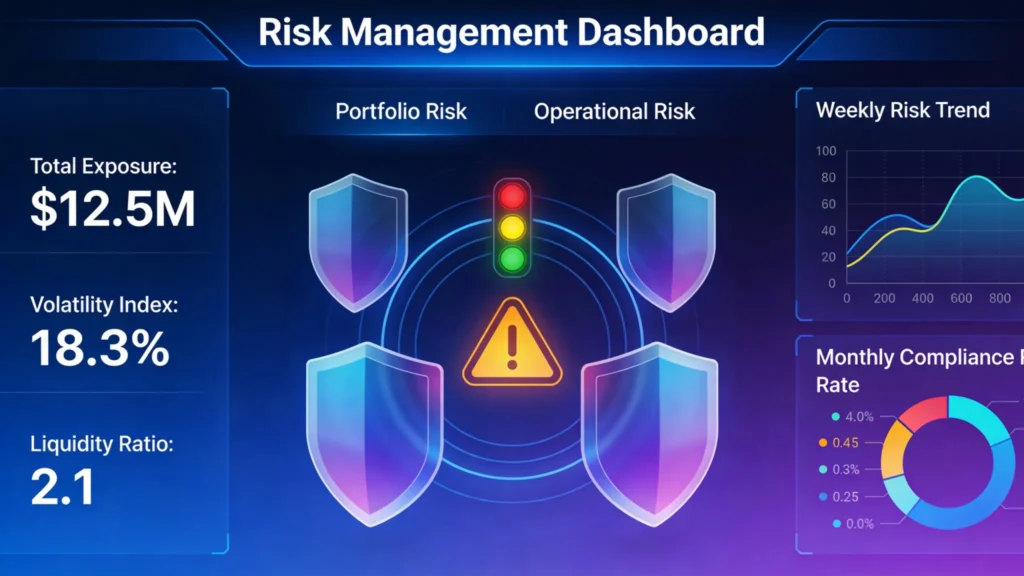
Did you know that 90% of traders lose money due to poor risk management? Yeah, that stat hit me like a brick wall when I first started trading five years ago. I was that guy who thought he could just wing it with crypto signals – no position sizing calculator, no stop loss automation, nothing. Just pure YOLO energy and a dream of making it big.
Boy, was I wrong.
I remember my first major loss vividly. Bitcoin was pumping, I got a hot signal from some Telegram channel, and I threw my entire account at it. No daily loss limits, no account percentage allocation rules – just pure greed. Within 30 minutes, I watched 60% of my trading capital evaporate when the market reversed. That’s when I realized that even the best signals in the world are useless without proper trading risk controls.
The painful truth is that most traders focus on finding winning signals but completely ignore signal execution safety. They’ll spend hours analyzing charts and hunting for the perfect entry, but they won’t spend five minutes setting up basic risk-to-reward ratios or trailing stop loss mechanisms. It’s like driving a Ferrari without brakes – sure, you’ll go fast, but you’re probably gonna crash.
That’s exactly why I fell in love with SignalVision’s approach to automated trading risk control. After blowing up my first account (and honestly, my second one too), I knew I needed something that would save me from myself. The platform’s built-in portfolio risk management tools aren’t just fancy features – they’re literally account savers.
What really impressed me was how SignalVision handles maximum position limits and volatility-adjusted sizing automatically. You don’t have to be a math wizard to protect your capital anymore. The system calculates everything for you – from take profit settings to monthly drawdown protection – so you can focus on what matters: following good signals without the constant fear of losing your shirt.
In this guide, I’m gonna walk you through exactly how to set up SignalVision risk management like a pro. We’ll cover everything from basic position sizing to advanced portfolio protection strategies that have literally saved my trading career. Trust me, if a former degenerate gambler like me can learn to trade with discipline using these tools, anyone can.
The best part? You don’t need to learn complex formulas or spend hours tweaking settings. SignalVision’s risk management is designed for real traders who want protection without the headache.
Understanding SignalVision’s Built-in Risk Management System
I’ll never forget the night I lost $800 in about 15 minutes. It was 2 AM, I was half asleep, and I manually executed what I thought was a solid signal from my favorite Telegram channel. Problem was, I completely ignored position sizing and went all-in on a single trade. That mistake taught me why automated risk controls aren’t just nice to have—they’re absolutely essential.
SignalVision’s risk management system basically acts like that responsible friend who stops you from drunk texting your ex, except it’s stopping you from blowing up your trading account. The system kicks in before any trade execution happens, running a series of checks that I honestly wish I’d had access to years ago.
Here’s what actually happens behind the scenes when a signal comes through. First, the system analyzes your account balance and applies position sizing rules automatically. No more mental math at 3 AM trying to figure out what 2% of your account actually is. The signal execution safety protocols then check if you’ve hit your daily loss limit, weekly exposure cap, or if you’re already holding too many positions in the same direction.
What really impressed me was discovering the correlation protection feature. I used to get hammered when Bitcoin crashed because I’d unknowingly be holding positions in BTC, ETH, and three different altcoins that all moved together. Now the system flags when signals might create excessive correlation risk before execution even happens.
The coolest part? You can customize everything without getting overwhelmed by complexity. I keep my max position size at 3% of my account, daily loss limit at 6%, and weekly exposure capped at 15%. These aren’t random numbers—I learned them the hard way after tracking my performance for months.
The system also includes what I call «sanity checks» for signal quality. If a signal comes through with unrealistic take profits or stop losses that don’t make sense for current market conditions, it gets flagged for review. This trading protection has saved me from following signals that looked good on paper but were clearly copy-paste jobs from different market conditions.
One feature that’s become indispensable is the drawdown protection. When my account hits a certain loss threshold, the system automatically reduces position sizes or pauses execution entirely. It’s like having a trading coach who actually cares about preserving your capital instead of just generating commissions.

Setting Up Position Sizing Rules in SignalVision
Okay, let me tell you about the biggest mistake I made when I first started using SignalVision – I completely ignored the position sizing settings. Yeah, I was that guy who thought «I’ll just risk whatever feels right on each trade.» Spoiler alert: that approach nearly wiped out my account in three weeks.
The position sizing calculator in SignalVision is honestly a game-changer, but you need to set it up properly from day one. I learned this the hard way when I was throwing 10% of my account at random signals without any real strategy. One bad streak and boom – I was down 60% before I even knew what hit me.
Here’s how I set up my position sizing rules now, and trust me, this system has saved my ass more times than I can count. First thing you do is decide on your maximum account percentage per trade. I personally never go above 2% of my total account on any single position. Some of my trader buddies think I’m being too conservative, but I sleep better at night knowing I can survive 20 losing trades in a row.
The trade allocation feature is where things get really smart. Instead of manually calculating how much to risk on each signal, SignalVision does the math for you. You just tell it your account size and your risk percentage, and it automatically calculates the exact position size for every trade. No more fumbling with calculators at 2 AM when a signal comes in.
I remember this one time I was half asleep when a BTC signal hit my phone. Without the automated position sizing, I probably would have fat-fingered the trade size and risked way too much. But SignalVision just executed the trade with my preset 1.5% risk, and I woke up to a nice profit without any stress.
The key is being realistic about your risk tolerance. Don’t set your account percentage at 5% just because you’re feeling confident after a few winning trades. I’ve seen too many traders blow up their accounts because they got cocky with their position sizing. Start conservative – maybe 1% per trade – and only increase it once you’ve proven your strategy works consistently.
One pro tip: adjust your position sizing based on signal quality. I use 2% for my highest confidence setups and drop down to 0.5% for experimental signals. SignalVision lets you create different risk profiles, so you can switch between them depending on market conditions or your current streak.
Configuring Stop Loss and Take Profit Settings
I’ll be honest – my first few months of crypto trading were a disaster because I couldn’t stick to my own stop losses. I’d set them, then move them lower when the trade went against me, hoping it would «come back.» Sound familiar?
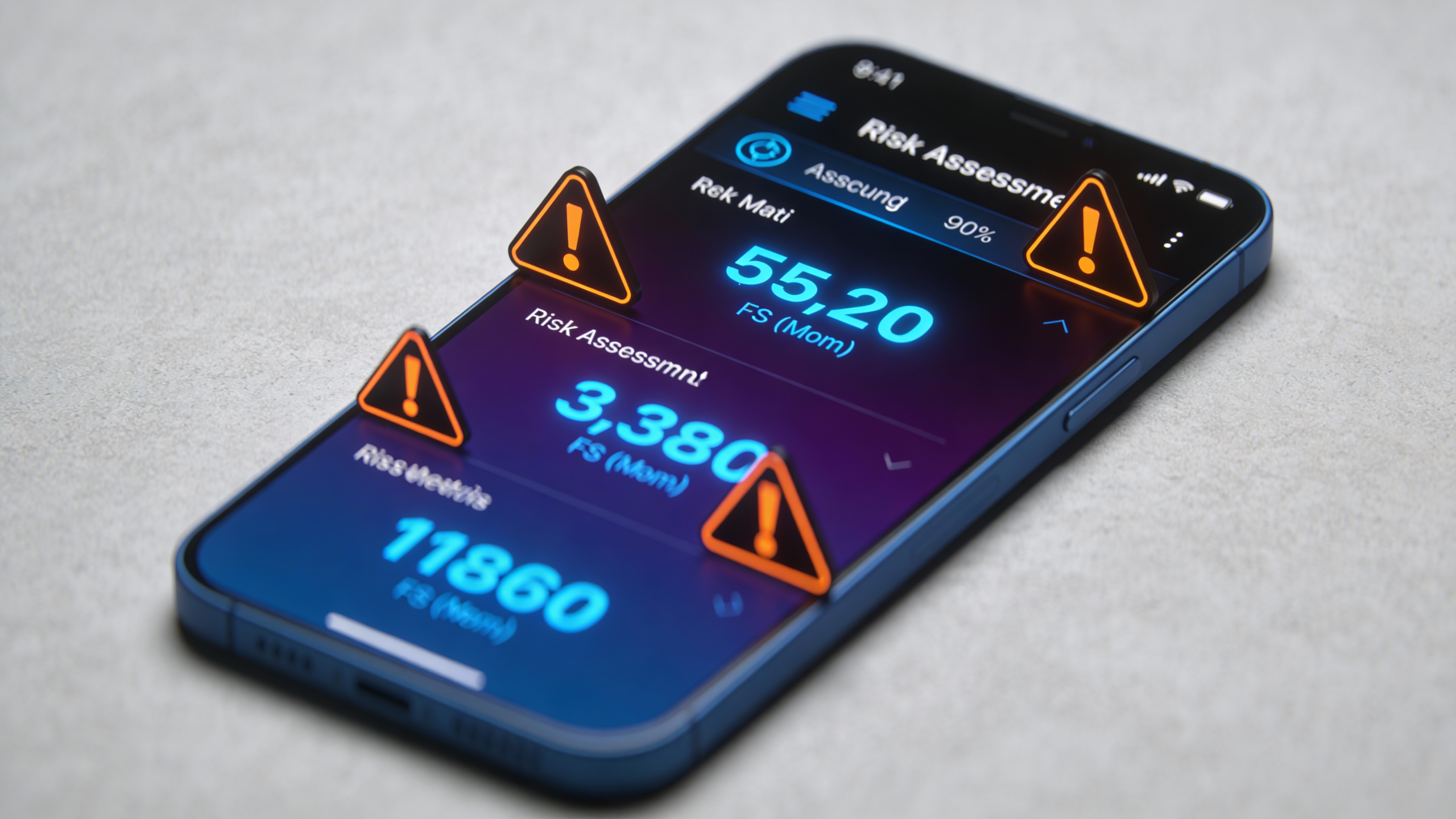
That’s exactly why I fell in love with stop loss automation. Once you set it up in SignalVision, there’s no emotional interference. The system executes your exit strategy whether you’re sleeping, working, or having a panic attack watching the charts.
Here’s how I configure my settings now, and trust me, this took way too many blown accounts to figure out.
Setting Your Stop Loss Percentage
I typically set my stop loss between 2-5% depending on the volatility of the asset. For Bitcoin, I might go with 3%, but for some altcoins that swing harder, I’ll give it 5% breathing room. The key is being realistic about the asset’s normal price movements.
In SignalVision, you can set this as a fixed percentage or dollar amount. I prefer percentages because they scale with position size automatically. No more mental math when you’re trying to execute quickly.
Take Profit Targets That Actually Work
Here’s where most people screw up – they get greedy with their take profit targets. I learned this the hard way when I watched a 40% gain turn into a 10% loss because I was holding out for «just a little more.»
Now I use a tiered approach. I’ll take 50% of my position at a 2:1 risk-reward ratio, then let the rest ride with a trailing stop. This way, I lock in profits early but still catch those occasional moonshots.
Trailing Stops – Your Secret Weapon
Trailing stops changed everything for me. Instead of setting a fixed exit point, they follow the price up and lock in profits as the trade moves in your favor. I usually set mine at 3-4% below the highest point reached.
The beauty is when you hit a runner – those trades that just keep going up – the trailing stop captures most of the move while protecting you from sudden reversals. I’ve caught 30%+ moves this way that I would have exited way too early with fixed targets.
SignalVision makes this incredibly simple. You just toggle on trailing stops in your risk settings, set your trail distance, and forget about it. The automation handles the rest, even when you’re not watching the markets.
Remember, the goal isn’t to maximize every single trade – it’s to stay in the game long enough for your edge to play out over hundreds of trades.

Daily and Monthly Risk Limits Configuration
Let me tell you about the time I learned the hard way why daily loss limits are absolutely crucial. It was back in 2019, and I was having one of those days where every signal seemed to go against me. Instead of stepping back, I kept doubling down, thinking the next trade would turn everything around.
By the end of that brutal session, I’d blown through 15% of my account in a single day. That’s when I realized I needed automated drawdown protection – not just wishful thinking that I’d have the discipline to stop myself.
Setting up your daily and monthly risk limits in SignalVision is like having a responsible friend who grabs your phone when you’ve had too much to drink and want to text your ex. It’s protection from yourself when emotions are running high.
Daily Loss Limits: Your First Line of Defense
I typically set my daily loss limit at 2-3% of my total account balance. This might sound conservative, but trust me, it’s saved my ass more times than I can count. When you hit this threshold, SignalVision triggers an automatic trading suspension for the rest of the day.
Here’s the thing though – don’t set it too tight. I made that mistake early on, setting a 1% daily limit and getting stopped out by normal market volatility. You need enough breathing room for your strategy to work, but not so much that one bad day wipes out weeks of gains.
Monthly Limits: The Big Picture Protection
Monthly limits are where you really protect your long-term capital. I usually set mine at 8-10% of my account value. This catches those sneaky losing streaks that can creep up on you over several days or weeks.
The beauty of automated limits is they remove emotion from the equation entirely. No more «just one more trade» or «I can feel the market turning.» When you hit your limit, that’s it – trading stops, period.
Configuration Tips That Actually Work
Start conservative and adjust based on your strategy’s typical drawdowns. I track my worst losing streaks historically and set my limits about 20% beyond those levels. This gives my strategy room to breathe while still protecting against catastrophic losses.
Also, don’t forget to account for weekends and holidays when setting daily limits. I learned this the hard way when a Friday loss carried over to Monday, effectively giving me a shorter leash than intended.
The goal isn’t to never hit these limits – it’s to survive the bad periods so you can capitalize on the good ones. Your future self will thank you for this discipline.
Advanced Portfolio Risk Management Features
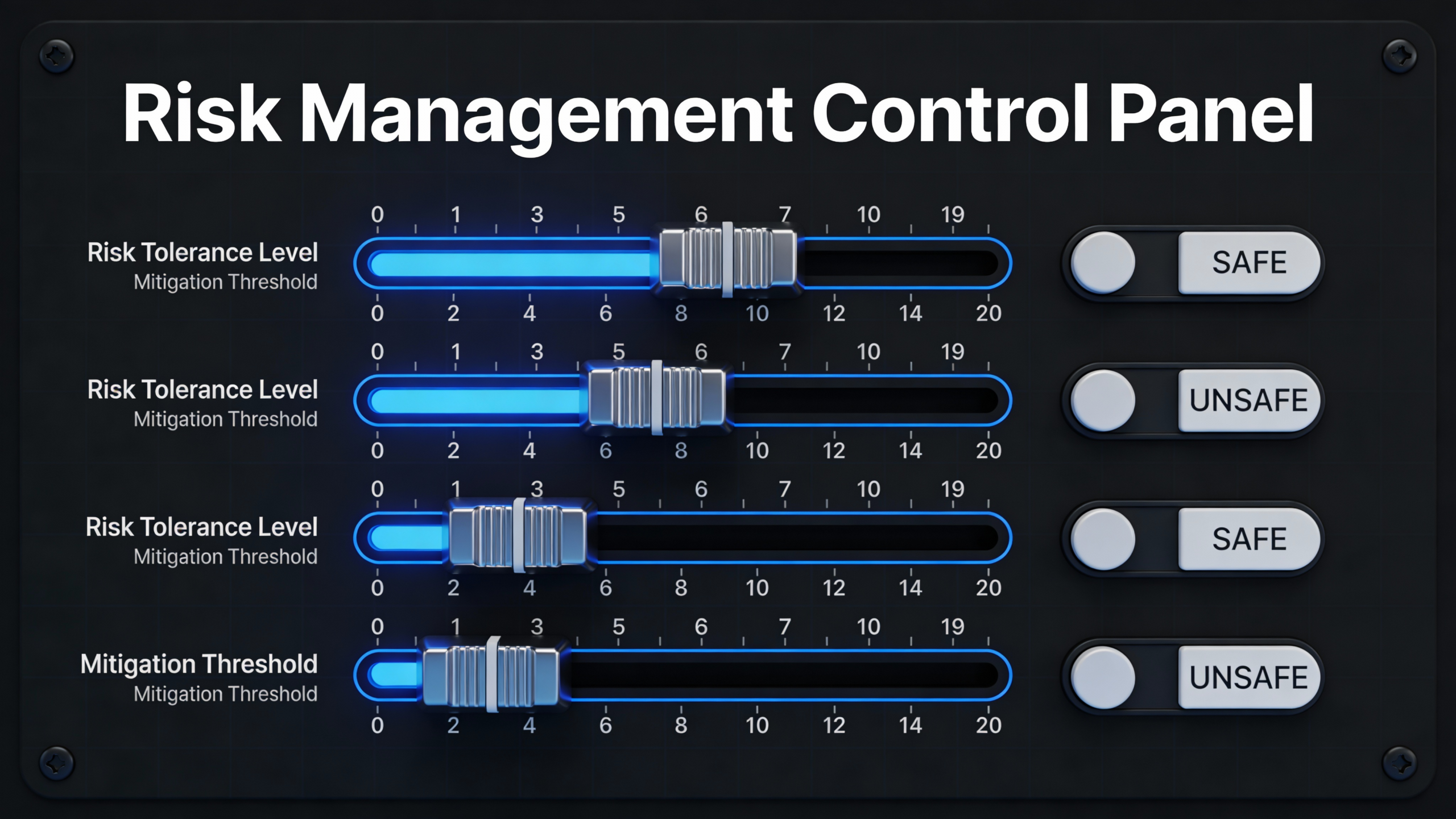
Here’s where things get really interesting – and where I honestly wish I’d paid more attention earlier in my trading career. The advanced features in SignalVision’s risk management suite go way beyond basic position sizing, and they’ve saved my butt more times than I can count.
Portfolio correlation was probably the biggest eye-opener for me. I used to think I was diversified because I had positions in Bitcoin, Ethereum, and a handful of altcoins. What a joke that was. During the May 2022 crash, everything tanked together like dominoes falling. Turns out, having five different crypto positions doesn’t mean squat if they’re all correlated at 0.85 or higher.
SignalVision’s correlation matrix now shows me exactly how my positions move together. When I see that my DeFi tokens are all dancing to the same tune, I know it’s time to rebalance. The system actually flags when your portfolio correlation gets too high – usually above 0.7 – and suggests which positions might need adjusting.
The sector exposure tracking is another game-changer. I learned this lesson the hard way when I unknowingly had 60% of my portfolio in DeFi protocols right before the Terra Luna collapse. Everything connected to that ecosystem got hammered, and I felt like an idiot for not seeing it coming.
Now the dashboard breaks down my exposure by sectors – DeFi, Layer 1s, meme coins, gaming tokens, whatever. When one sector starts dominating my portfolio, I get alerts. It’s like having a trading mentor constantly whispering «hey, maybe don’t put all your eggs in one basket.»
But here’s my favorite feature: volatility adjustment. This thing automatically scales your position sizes based on current market conditions. During those crazy volatile periods – like when Bitcoin was swinging 10% daily – the system would automatically reduce my position sizes to account for the increased risk.
I remember one particularly wild week in March 2023 when the banking crisis hit. My usual $1000 per signal got automatically scaled down to $400 because volatility was through the roof. At first, I was annoyed thinking I was missing out on gains. Then I watched other traders get absolutely wrecked by the same signals I was taking, just with smaller size.
The volatility adjustment uses a 20-day rolling average of price movements to determine the scaling factor. When things get choppy, it pulls back. When markets settle down, it gradually increases position sizes again. It’s like having cruise control for your risk management.

Monitoring and Adjusting Your Risk Parameters
Here’s something I learned the hard way after blowing through 30% of my account in a single week – setting your risk parameters once and forgetting about them is like setting your car’s cruise control and then closing your eyes. You’re gonna crash, and it’s gonna hurt.
I used to think I was being smart by sticking to my original 2% risk per trade no matter what. Market volatility doubled? Still 2%. Three losing trades in a row? Still 2%. My account bleeding like a stuck pig? Yep, still 2%. That stubborn approach cost me more money than I care to admit.
Risk monitoring isn’t just about watching numbers go up and down – it’s about understanding what those numbers are telling you about your strategy’s health. I check my risk metrics every Sunday morning with my coffee, and it’s become as routine as brushing my teeth.
The first thing I look at is my win rate versus my average risk-to-reward ratio. If my win rate drops below 40% but I’m still risking the same amount per trade, that’s a red flag bigger than a Soviet parade. SignalVision’s dashboard makes this super easy to spot because everything’s laid out in plain English, not some confusing financial jargon.
Then there’s the drawdown analysis. Man, this one stings sometimes. I track my maximum drawdown over rolling 30-day periods, and if it creeps above 15%, I know it’s time to dial back the risk. Last month, I caught myself in a 12% drawdown and immediately dropped my position sizing from 2% to 1.5% per trade. Saved my bacon.
Performance analytics have become my best friend for spotting patterns I’d never notice otherwise. Like how I apparently suck at trading on Mondays (seriously, my Monday win rate is 23% lower than my Wednesday rate). Or how certain signal providers perform way better during Asian trading hours.
But here’s where most people mess up – they look at this data but don’t act on it. Risk backtesting your adjustments before implementing them live is crucial. I’ll run different scenarios through SignalVision’s analytics: «What if I had used 1% risk instead of 2% during that rough patch in March?» The results usually make me want to time travel and slap my past self.
The sweet spot I’ve found is reviewing and adjusting my risk parameters every two weeks. Not daily (that’s just paranoia), but not monthly either (that’s how small problems become big disasters). It’s like tuning a guitar – do it too often and you’ll never play a song, but wait too long and everything sounds like garbage.
Common Risk Management Mistakes to Avoid
Let me tell you about the time I nearly blew up my entire trading account because I thought I was smarter than my own risk management rules. It was 2021, Bitcoin was pumping, and I was feeling invincible. Classic setup for disaster, right?
The biggest mistake I made? Over-leveraging on what seemed like a «sure thing» signal. I cranked up my position size to 10x because the signal looked so clean on the charts. Within 30 minutes, a flash crash wiped out 80% of my account. That’s when I learned that even the best signals can go wrong, and position sizing is everything.
Here’s the thing about trading mistakes – we all make them, but the expensive ones usually come from ignoring basic risk management principles. I’ve seen traders blow through months of profits in a single day because they got cocky or desperate.
The most common trap? Emotional trading after a loss. You know that feeling when you’re down and you want to «get even» by doubling down on the next signal? Yeah, that’s your brain trying to sabotage your account. I’ve been there more times than I care to admit.
Another killer mistake is not setting stop losses because you’re «confident» in the signal. I used to think stop losses were for beginners. Then I watched a perfectly good trade turn into a 40% loss because I was too stubborn to cut it short. Now I never enter a position without knowing exactly where I’ll exit if things go south.
Position sizing inconsistency is another account killer. One day you’re risking 1% per trade, the next day you’re throwing 5% at a signal because it «feels different.» This inconsistency will eat away at your profits faster than bad signals ever will.
The revenge trading cycle is brutal too. You lose on one signal, so you immediately jump into another one with a bigger position to make up for it. I’ve seen this destroy more accounts than market crashes. Your emotions start driving your decisions instead of your risk management plan.
Here’s what I learned the hard way: stick to your risk management rules even when you’re winning. Success can make you careless just as much as failure can make you desperate. The signals that feel «too good to be true» are usually the ones that’ll bite you hardest.
SignalVision’s built-in risk management features have saved me from myself countless times. The automatic position sizing and stop loss settings remove the emotional decision-making that used to get me in trouble. Sometimes the best risk management is taking yourself out of the equation entirely.
Conclusion
Look, I’ve been trading for over a decade now, and I can’t stress this enough – effective risk management is literally the difference between traders who survive and those who blow up their accounts within months. I’ve watched too many promising traders crash and burn because they thought they could wing it without proper risk controls.
What really gets me excited about where trading technology is heading is how platforms like SignalVision are making professional-grade risk management tools accessible to everyone. You don’t need to be a quant with a PhD to implement sophisticated position control systems anymore. The automated risk protection features we’ve covered today would have cost institutional traders hundreds of thousands just a few years ago.
Here’s the thing that blew my mind when I first started using SignalVision’s trading risk software – it’s not just about stopping losses. It’s a complete risk management solution that thinks three steps ahead. The position sizing automation alone has saved me from countless emotional decisions that would have cost me serious money.
I remember one particularly volatile week last year where Bitcoin was swinging 15% daily. My old manual approach would have had me either sitting on the sidelines scared or over-leveraging like an idiot. But with SignalVision’s trading safety system, I was able to stay in the game with perfect position sizes, letting the automated trading safety features handle the heavy lifting while I actually got some sleep.
The beauty of having a proper risk control platform is that it removes the emotional component from your trading decisions. You set your rules once, and the trading risk automation enforces them religiously. No more «just this once» moments that destroy accounts.
What I love most about SignalVision’s approach is how they’ve integrated risk management technology seamlessly into the signal execution process. You’re not adding extra steps or complexity – you’re just trading smarter. The position management system works behind the scenes, and the trading protection platform keeps you safe without getting in your way.
Bottom line: you can have all the best signals in the world, but without proper risk control software, you’re just gambling with better information. Don’t make the same mistakes I did early on – start implementing these risk management strategies today and protect your trading capital while maximizing your profit potential.
Ready to trade with confidence? Start Your Free Trial with SignalVision and experience what professional-grade risk management feels like. Your future self will thank you for making this decision today.
Related Articles



Leave a Comment