
Did you know that 73% of crypto traders rely on Telegram signals for their trading decisions? Yeah, I was shocked when I first heard that stat too. But after diving headfirst into the world of ethereum trading signals and spending countless hours in various telegram crypto channels, it started making perfect sense.
I remember my first week exploring eth trading alerts – man, what a rollercoaster that was! I joined about 15 different channels, from free groups with thousands of members to premium services charging $100+ per month. My phone was buzzing non-stop with notifications, and honestly, I felt more confused than ever. Some channels were pumping out ethereum price predictions every few minutes, while others took a more measured approach with detailed analysis.
The thing that really got me hooked was watching how these cryptocurrency signals actually played out in real-time. I’d see an alert come through at 2 AM saying «ETH long at $1,850, target $1,920» and then watch the price action unfold over the next few hours. Sometimes it was pure magic – hitting targets within hours. Other times? Well, let’s just say I learned some expensive lessons about trading signal accuracy.
What fascinated me most was the sheer variety of approaches across different crypto trading groups. Some relied heavily on telegram trading bots that would fire off signals based on technical indicators, while others had actual humans analyzing charts and market sentiment. The quality gap between different ethereum signal providers was absolutely massive – and that’s putting it nicely.
After months of testing, tracking, and yes, losing some money along the way, I realized that successful crypto signal analysis isn’t just about finding the right channel. It’s about understanding how to filter the noise, verify track records, and most importantly, manage your own risk. The ethereum market signals that worked best for me weren’t necessarily the flashiest ones – they were the consistent, well-researched alerts from crypto trading communities that prioritized education over hype.
That’s why I decided to create this comprehensive guide to navigating telegram signal channels. Whether you’re completely new to ethereum trading tips or you’ve been burned by sketchy crypto signal services before, I want to share everything I’ve learned about separating the wheat from the chaff in this wild ecosystem. Trust me, there’s gold to be found – you just need to know where to dig.
What Are Ethereum Trading Signals and How Do Telegram Channels Work?
I’ll never forget my first encounter with crypto trading signals back in 2019. I was staring at my phone at 2 AM, watching ETH bounce around like a ping pong ball, completely clueless about when to buy or sell. Then a buddy told me about these Telegram channels where «experts» share trading tips. Sounded too good to be true, but I was desperate.
Here’s the thing about ethereum alerts – they’re basically trade recommendations that tell you what to do with your ETH positions. Think of them as your trading GPS. Someone (hopefully smarter than you) analyzes the market and sends out messages like «Buy ETH at $1,850, target $2,100, stop loss at $1,750.» Simple enough, right?
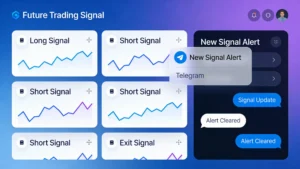
But here’s where it gets interesting. Telegram has become the go-to platform for this stuff because it’s fast, free, and you can set up channels that blast messages to thousands of people instantly. I’ve been in channels with 50,000+ members all getting the same signal at the exact same time. It’s pretty wild when you think about it.
The channels usually work in a few different ways. Some are completely free (usually lower quality, let’s be honest), others charge monthly subscriptions ranging from $20 to $200+. The premium ones often include detailed signal analysis – charts, explanations of why they’re making the call, risk management advice, the whole nine yards.
What really blew my mind was discovering telegram trading bots. These aren’t just channels run by humans anymore. We’re talking about automated systems that scan markets 24/7, looking for patterns and opportunities. They can spot things way faster than any human ever could. I remember one bot caught a massive ETH breakout at 3 AM while I was sound asleep – made me 15% profit before breakfast.
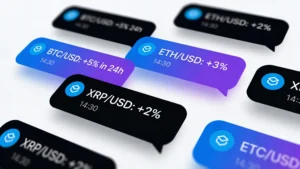
The beauty of Telegram for this is the instant notifications. You set up your phone to ping you the second a new signal drops. No delays, no missed opportunities because you weren’t checking your email. When ETH is moving fast (and trust me, it moves FAST), those few seconds can mean the difference between profit and pain.
But here’s what nobody tells you upfront – not all signals are created equal. I’ve seen channels with flashy names and thousands of followers that couldn’t predict their way out of a paper bag. The key is finding sources that actually know what they’re doing and have a track record to prove it.

Top Free Ethereum Trading Signals Telegram Channels in 2026
Alright, let’s get real about the free crypto signals scene. I’ve been down this rabbit hole more times than I care to admit, and honestly? Most free channels are… well, you get what you pay for. But after years of trial and error (and some painful losses), I’ve found a few gems that actually deliver decent free trading alerts without trying to sell you their grandmother’s secret sauce every five minutes.
ETH Signals Pro (@ethsignalspro) has been surprisingly consistent. These guys post 3-4 ethereum signals daily with clear entry points and stop losses. What I love is they actually show their win/loss ratio – currently sitting at around 68% which is pretty solid for free stuff. They don’t spam you with premium upgrades constantly either.
Crypto Whale Alerts (@cryptowhale_alerts) isn’t technically a signal channel, but man, following whale movements has saved my butt more times than I can count. When you see a massive ETH transfer hitting exchanges at 2 AM, that’s your cue to pay attention. I caught a sweet 12% drop last month just by watching their alerts.
Now here’s where it gets interesting – telegram crypto communities like ETH Traders United (@eth_traders_united) aren’t just signal channels. They’re actual communities where people share ideas, debate market moves, and call out BS signals. The admin team includes some folks who’ve been trading ETH since it was under $100. Their daily market analysis is honestly better than some paid newsletters I’ve subscribed to.
Free Ethereum Signals (@freeethsignals) does exactly what the name suggests. Simple, clean signals with risk management built in. No fancy charts or technical jargon that makes your head spin. Perfect if you’re just starting out and don’t want to decode hieroglyphics every morning.
Here’s my honest take though – these ethereum trading groups work best when you don’t blindly follow every signal. I learned this the hard way after losing $800 following a ‘guaranteed moon signal’ back in 2023. Now I use them as starting points for my own research. If three different channels are calling the same setup, that’s when I really pay attention.
The biggest challenge with free channels? Timing. By the time you see the signal, copy it, and execute the trade, the best entry might be gone. That’s why I started using SignalManager to catch these alerts instantly and forward them to my execution setup. Game changer for actually capitalizing on good free signals.

Premium Ethereum Signal Channels: Worth the Investment?
Look, I’ll be straight with you – I’ve thrown money at more premium crypto signals than I care to admit. Some were absolute gold mines, others… well, let’s just say I learned expensive lessons about doing proper research first.
The thing about paid trading signals is they’re a mixed bag. I remember dropping $200 on this «exclusive» Ethereum channel back in 2021. The guy had flashy screenshots, Lamborghini photos, the whole nine yards. First week? Made back my subscription fee plus some. I was hooked. Second month? Lost nearly everything following his «guaranteed» calls during that brutal May crash.
But here’s what I’ve learned after years of trial and error with ethereum signal services. The good ones – and they do exist – aren’t selling you dreams. They’re selling you education wrapped in actionable trades. The best premium channel I ever joined charged $150/month, but the guy explained his reasoning behind every single call. Technical analysis, market sentiment, even macro factors affecting ETH price movements.
What separates quality trading subscriptions from the garbage? First, transparency. If they won’t show you their historical performance or dodge questions about losing trades, run. Second, risk management. Any premium service worth its salt will tell you exactly how much to risk per trade – usually 1-3% of your portfolio max.
I’ve noticed the sweet spot for premium Ethereum signals is usually between $50-200 monthly. Anything under $30 is probably too good to be true, and anything over $300 better come with personal coaching sessions. The mid-range services often provide the best value because they’re not trying to scale to thousands of members.
Here’s my litmus test: Does the channel provide entry points, stop losses, AND take profit levels? Do they explain WHY they’re making the call? Can you reach the signal provider with questions? If it’s just «BUY ETH NOW 🚀🚀🚀» without context, keep scrolling.
One thing that really changed my game was finding services that integrated with execution tools. Instead of frantically trying to copy-paste signals and missing entries by minutes, I could automate the whole process. That’s actually how I discovered SignalManager – being able to forward signals and execute them instantly removed so much stress from my trading routine.
Bottom line? Premium signals can absolutely be worth it, but treat them like any other business expense. Start small, track results religiously, and don’t let FOMO drive your subscription decisions.

How to Evaluate Ethereum Signal Channel Performance and Accuracy
I learned this lesson the hard way after losing about $800 following a channel that claimed «95% win rate» but turned out to be complete BS. The thing is, most traders just look at the flashy screenshots and profit claims without digging into the actual signal accuracy data.
Here’s what I wish someone had told me before I started blindly following signals. First, you gotta track everything yourself. I keep a simple spreadsheet with entry price, exit price, stop loss hit or not, and the actual percentage gain or loss. Sounds boring, but this ethereum signal analysis saved my ass more times than I can count.
The biggest red flag? Channels that only post their winners. I was in this one group where they’d post these massive 50% gains but conveniently forget to mention the three stop losses that got hit the same week. Real signal verification means seeing the full picture – wins AND losses.
When evaluating trading performance metrics, I focus on three key things. Win rate is important, but it’s not everything. A channel with 60% accuracy but small losses and big wins often beats one with 80% accuracy but massive stop losses. I learned this after following a channel with supposedly great accuracy that wiped out weeks of gains with one bad call.
Risk-to-reward ratio is where most channels fail miserably. If they’re risking 10% to make 5%, even a 70% win rate won’t save you long term. The math just doesn’t work. I look for channels that consistently aim for at least 1:2 risk-reward, preferably better.
Here’s a trick that took me months to figure out – check their signal timing. Ethereum moves fast, and if they’re posting signals after the move already happened, that’s not helpful. I test this by setting alerts on their calls and seeing how much the price has already moved by the time I get the notification.
Another thing – watch how they handle losing streaks. Good channels acknowledge bad periods and adjust their strategy. Scam channels just blame «market manipulation» or disappear for a few days then come back pretending nothing happened.
The verification process I use now is simple but effective. I paper trade their signals for at least two weeks before risking real money. Track every single call, including the ones that don’t hit entry or get stopped out immediately. This gives you real data on signal accuracy instead of just their cherry-picked highlights.
Most importantly, never trust performance claims without independent verification. If they can’t provide detailed trade logs with timestamps, that’s a massive red flag. The best channels I follow now provide full transparency – every entry, every exit, every stop loss hit.

Risk Management and Safety When Following Ethereum Signals
I learned about crypto risk management the hard way back in 2021. Got cocky following some hot ETH signals and threw my entire $3,000 trading account at what looked like a «guaranteed» breakout. Spoiler alert: it wasn’t guaranteed, and I watched 60% of my account vanish in about 4 hours.
That brutal lesson taught me that trading safety isn’t just some boring concept – it’s literally what separates traders who last from those who blow up their accounts. Now I never risk more than 2% of my total account on any single Ethereum signal, no matter how «sure» it looks.
Position sizing is probably the most underrated skill in crypto trading. I use this simple rule: if losing the trade would make me physically sick to my stomach, I’m risking too much. For most ETH signals, I calculate my position size by dividing my risk amount by the distance to my stop loss. So if I’m willing to risk $100 and my stop is $50 away from entry, I can only buy 2 ETH tokens max.
Speaking of stop loss strategies, I’ve tried everything from tight 2% stops to wide 15% stops. Here’s what actually works: I set my initial stop loss based on technical levels, not arbitrary percentages. If there’s strong support at $2,800 and I’m buying ETH at $2,900, that’s where my stop goes. Period.
But here’s the kicker – I also use what I call «time stops.» If an ETH signal hasn’t moved in my favor within 24-48 hours, I’m out. Dead money is expensive money, especially in crypto where opportunities move fast.
One thing that saved my ass multiple times is never going all-in on signals from a single Telegram channel. I spread my risk across 2-3 different signal sources, and I always keep 30-40% of my trading capital in reserve. You never know when the perfect setup will appear, and you want dry powder ready.
The emotional side of trading safety is huge too. I literally write down my exit plan before entering any ETH trade. When you’re up 50% and greed kicks in, or down 10% and fear takes over, having that written plan keeps you disciplined. Trust me, your future self will thank you when you stick to the plan instead of making emotional decisions that usually end badly.

Automating Ethereum Signal Execution: Tools and Platforms
I’ll be honest – manually executing every Ethereum signal was driving me nuts. Picture this: you’re getting 15-20 signals a day from multiple channels, and you’re trying to catch every entry while also having a day job. Yeah, that lasted about two weeks before I started missing the good trades and catching the bad ones at terrible prices.
That’s when I dove headfirst into trading automation. And let me tell you, it was a game-changer once I figured out what actually worked.
The first thing I learned is that not all signal execution bots are created equal. I started with some free bot that promised the moon but couldn’t even handle basic order types properly. Lost money on slippage because it was using market orders for everything. Rookie mistake on my part.
Here’s what I’ve found actually works for automated trading with Ethereum signals:
3Commas was my first real success. Their DCA bots work pretty well with ETH, and you can connect multiple exchanges. The interface took me a bit to figure out, but once I got the hang of setting up proper take-profit levels and stop-losses, it started making sense. Cost me about $50/month, but it paid for itself pretty quickly.
Then I discovered TradeSanta – honestly wish I’d found this sooner. Their grid trading bots are perfect for ETH’s volatility. You can set up these beautiful automated strategies that buy the dips and sell the peaks. I’ve got one running that’s been profitable for 8 months straight.
But here’s where things get interesting – I started using SignalVision’s SignalShot for my more aggressive plays. The thing that sold me was the zero-friction execution. I forward a signal from my favorite Telegram channel, and boom – it’s executed on Bybit with proper risk management. No copy-pasting, no manual order entry, no missing trades because I was in a meeting.
The key with any crypto trading tools is starting small and testing everything. I burned through $200 learning this lesson the hard way. Now I always run new automation on tiny position sizes for at least a week before scaling up.
One thing that really matters – make sure whatever platform you choose can handle Ethereum’s gas fee fluctuations properly. I’ve seen bots get stuck because they didn’t account for network congestion during busy periods.
Pro tip: Always keep some manual override capability. Even the best automated trading setup needs human judgment sometimes, especially during those crazy market events that happen in crypto.
Building Your Ethereum Signal Trading Strategy in 2026
Look, I’ve blown up more trading accounts than I care to admit, and most of those disasters happened because I jumped into Ethereum signals without any real ethereum trading strategy. Back in 2022, I was that guy refreshing Telegram every five minutes, copying every ETH signal I saw without thinking twice about it.
The wake-up call came when I lost 40% of my portfolio in a single week. I was following three different signal channels, getting conflicting advice, and basically gambling instead of trading. That’s when I realized I needed a proper signal trading plan – not just random signal copying.
Here’s what I learned the hard way about crypto strategy development for Ethereum specifically. First, you need to decide what type of Ethereum trader you are. Are you scalping those quick 2-3% moves during high volatility? Or are you more of a swing trader looking for those bigger 15-20% moves over several days?
I found my sweet spot with medium-term swing trades on ETH. My trading methodology now focuses on signals that target 7-14 day holds with clear support and resistance levels. But here’s the kicker – I only take signals when they align with my own technical analysis of Ethereum’s weekly chart.
The biggest game-changer was creating what I call my «Signal Filter System.» Before I even consider acting on an ETH signal, it has to pass three tests: Does it align with the overall crypto market sentiment? Is Ethereum showing strength relative to Bitcoin? And does the risk-reward ratio make sense for my portfolio size?
I also learned to track my signal sources like a hawk. I keep a simple spreadsheet showing which Telegram channels give me the best ETH signals. Turns out, the flashy channels with 50k members weren’t my winners – it was actually two smaller channels with solid track records on Ethereum trades specifically.
Position sizing became crucial too. I never risk more than 2% of my portfolio on any single ETH signal, no matter how «guaranteed» it looks. Trust me, there’s no such thing as a guaranteed crypto trade, and Ethereum can be especially brutal when it moves against you.
The final piece of my strategy? Having clear exit rules before I even enter a trade. I set my stop-loss and take-profit levels based on the signal’s parameters, but I also have my own rules about cutting losses if ETH breaks key support levels, regardless of what the signal channel says.
Conclusion
Look, I’ve been down this rabbit hole for years now, and I can tell you that ethereum trading signal performance tracking isn’t just some fancy buzzword – it’s literally what separates the winners from the losers in this game. I learned this the hard way after blowing through my first trading account because I was following signals blindly without any proper ethereum signal result analysis.
The thing is, most traders get so caught up in finding the «perfect» signal that they forget about the fundamentals. Crypto trading goal setting should be your first step, not your last. I remember when I finally sat down and wrote out my actual goals – not just «make money» but specific targets like «achieve 15% monthly returns with max 5% drawdown.» That’s when everything clicked.
Here’s what I wish someone had told me earlier: signal trading skill development is a marathon, not a sprint. You can’t just jump into premium channels and expect to become profitable overnight. I spent months working on ethereum trading expertise building, studying chart patterns, understanding market cycles, and most importantly, learning how to manage my emotions when trades went south.
The best crypto signal learning resources aren’t always the most expensive ones. Some of my biggest breakthroughs came from free trading signal educational content and ethereum trading mentorship programs where experienced traders shared their real losses alongside their wins. That’s the kind of honesty you need in this space.
But here’s where it gets interesting – crypto signal community support can make or break your trading journey. I’ve seen traders transform their results simply by engaging in proper signal trading networking. Finding the right ethereum signal collaboration opportunities and crypto trading partnership deals has helped me scale way beyond what I could achieve solo.
The most successful traders I know focus heavily on signal trading team building and ethereum trading leadership within their communities. They understand that crypto signal innovation comes from sharing knowledge, not hoarding it. When you start contributing to discussions and helping newer traders, you’re actually reinforcing your own learning.
Success in Ethereum signal trading requires careful channel selection, disciplined risk management, and the right tools for execution. Whether you choose free or premium channels, always verify performance and never risk more than you can afford to lose.
Ready to take your signal trading to the next level? Start Your Free Trial with SignalVision and experience automated, risk-managed signal execution that actually works. Stop letting good signals slip by while you’re sleeping or stuck in meetings – let the technology handle the execution while you focus on what really matters: building your trading expertise and growing your portfolio.
Related Articles


Leave a Comment