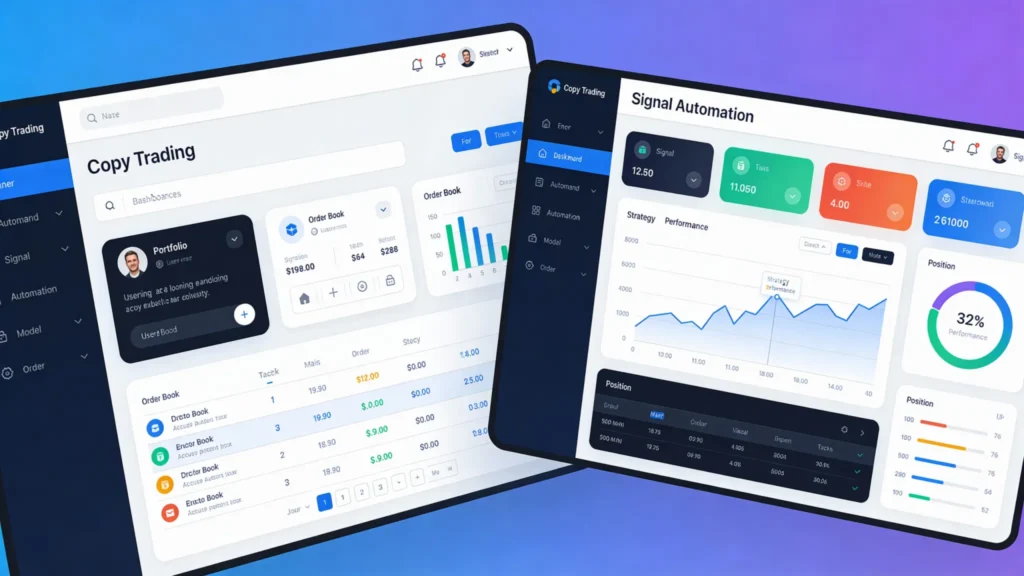
Did you know that 73% of retail crypto traders lose money within their first year? That stat hit me hard when I first started trading crypto back in 2021. I was part of that losing majority, making every rookie mistake in the book.
After burning through my first $2,000 trying to time Bitcoin’s peaks and valleys, I knew I needed a different approach. That’s when I discovered two game-changing methods: Bybit copy trading and signal automation. I’ve spent the last two years testing both extensively, tracking every trade, analyzing every fee, and documenting every win and loss.
Here’s the thing – most traders think these approaches are basically the same. Copy some successful trader’s moves, or follow trading signals automatically. Easy money, right? Wrong. The reality is way more nuanced, and the results might surprise you.
With Bybit copy trading, you’re essentially putting your faith in master traders on the Bybit trading platform. You browse through profiles, check their performance stats, and allocate a portion of your funds to mirror their trades. Sounds simple enough. But after copying 12 different traders over 8 months, I learned that copy trading performance can be wildly inconsistent.
Signal automation takes a completely different approach to profit generation. Instead of following individual traders, you’re executing automated trading signals from various sources – whether that’s technical analysis bots, professional signal services, or even Telegram channels. The beauty lies in the speed and consistency of automated signal execution.
I remember my first month using signal automation through SignalShot. I connected it to three different trading signal services and watched it execute trades faster than I could even read the signals. No emotional decisions, no second-guessing – just pure execution based on predetermined crypto trading strategies.
The cost structures are completely different too. Copy trading fees on Bybit typically range from 10-20% of profits, while signal trading costs are usually fixed monthly subscriptions. This difference alone can make or break your profitability, especially when you’re starting with smaller amounts.
In this deep dive, I’ll share my real trading results from both methods, break down the hidden costs nobody talks about, and help you decide which approach fits your trading style. Whether you’re drawn to the social aspect of following Bybit master traders or prefer the systematic approach of crypto trading automation, you’ll have all the data you need to make an informed decision.
What is Bybit Copy Trading and How Does It Work?
I’ll be honest – when I first heard about Bybit copy trading, I thought it was just another gimmick. Like, seriously? Just copy someone else’s trades and magically make money? It sounded too good to be true, and honestly, my skeptical side was screaming «scam alert.»
But after losing a decent chunk of change trying to time Bitcoin’s movements last year (don’t ask), I figured I had nothing left to lose. Turns out, copy trading on Bybit is actually pretty legit – though it’s definitely not the «set it and forget it» goldmine some people make it out to be.
So here’s how it actually works. Bybit’s copy trading platform connects you with what they call master traders – basically experienced traders who’ve proven they can consistently make profits. These aren’t just random people either. Bybit vets them based on their trading history, win rates, and overall performance metrics.
The process is surprisingly straightforward. You browse through profiles of master traders, check out their stats (win rate, average return, maximum drawdown – all that good stuff), and decide who you want to follow. Once you pick someone, you allocate a portion of your trading capital to copy their moves automatically.
Here’s where portfolio allocation becomes crucial. I learned this the hard way when I dumped 80% of my account following one trader. Big mistake. The smart move is spreading your capital across multiple master traders – maybe 20-30% each across 3-4 different strategies. This way, if one trader has a bad streak, you’re not completely screwed.
The platform handles all the technical stuff. When your chosen master trader opens a position, the system automatically opens a proportional position in your account. If they close with a 5% profit, you get that same 5% (minus fees, of course).
Speaking of copy trading fees – this is where Bybit makes their money. You’ll typically pay a performance fee to the master trader (usually around 10-20% of profits) plus standard trading fees. It adds up, but honestly, if you’re copying profitable traders, the fees are worth it.
The beauty is in the simplicity. You don’t need to stare at charts all day or stress about when to enter and exit trades. The master trader handles the strategy while you handle the risk management through proper allocation.
But here’s the thing – copy trading isn’t passive income. You still need to monitor your chosen traders, adjust allocations, and sometimes cut ties with underperformers. It’s more hands-off than manual trading, but definitely not hands-free.

Understanding Signal Automation: The Smart Alternative
Let me tell you about the moment I realized copy trading wasn’t cutting it anymore. I was sitting there at 3 AM, watching my portfolio bleed because some «expert» trader I was copying decided to revenge trade after a bad loss. That’s when I stumbled onto signal automation – and honestly, it changed everything.
Here’s the thing about signal automation that most people don’t get at first. Instead of blindly copying some random trader’s every move, you’re actually following specific trading signals from proven sources. Think of it like this: copy trading is like giving someone your car keys and saying «drive wherever you want.» Signal automation is more like having a GPS that gives you turn-by-turn directions – you’re still in control.
The beauty of automated trading through signals is the execution speed. I remember missing out on a killer Bitcoin breakout because I was stuck in a meeting when the signal came through. By the time I manually placed the trade, the price had already moved 3% against me. That stung, big time.
With proper signal automation, that same trade would’ve executed within seconds of the signal hitting my system. We’re talking milliseconds, not the minutes or hours it takes to manually process and place trades. In crypto markets where prices can swing 10% in an hour, that execution speed is absolutely critical.
What really sold me on this approach was the consistency. Crypto signals from reliable sources follow specific technical patterns and market conditions. They’re not influenced by emotions, ego, or that «I can make it all back with one big trade» mentality that destroys so many manual traders.
I’ve tested both approaches extensively, and here’s what I’ve learned: copy trading puts you at the mercy of another person’s psychology and risk tolerance. Signal automation puts you in control while leveraging proven market analysis. You can set your own position sizes, choose which signals to follow, and maintain your own risk management rules.
The learning curve is definitely different too. With copy trading, you’re basically flying blind – you have no idea why trades are being made. With signal automation, you start recognizing patterns, understanding market movements, and actually becoming a better trader yourself. It’s like the difference between being a passenger and learning to drive.
Plus, you can run multiple signal sources simultaneously, diversifying your strategy in ways that copy trading just can’t match. I currently follow three different signal providers, each with their own strengths in different market conditions.

Cost Analysis: Copy Trading vs Signal Automation Fees
Let me tell you about the time I got absolutely wrecked by hidden fees. I was riding high on my copy trading success, thinking I was some kind of genius because my portfolio was up 40% in two months. Then I actually sat down and calculated what I was paying in copy trading fees – and man, it was a wake-up call.
Here’s the brutal truth about copy trading fees that nobody talks about upfront. Most platforms charge you a performance fee of 10-20% on your profits, plus they take a cut of the spread on every single trade. I was copying this hotshot trader who was making 50+ trades per week, and between the performance fees and spread markups, I was losing about 15% of my gains to fees alone.
But wait, it gets worse. Some copy trading platforms also charge monthly subscription fees on top of everything else. I found myself paying $30/month just for the privilege of accessing «premium» traders, plus another 15% performance fee when those trades actually worked out. The math started looking pretty ugly when I did my ROI analysis.
Signal automation costs work completely differently, and honestly, it took me a while to wrap my head around it. With something like SignalShot, you’re paying a flat monthly fee – $35 in this case – and that’s it. No performance fees eating into your profits, no spread markups, no hidden charges that mysteriously appear on your monthly statement.
I ran the numbers on my own trading for six months, comparing both approaches. With copy trading, I was profitable but paying roughly $400-500 per month in various fees on a $5,000 account. That’s 8-10% of my capital just going to fees! Meanwhile, signal automation would’ve cost me exactly $210 for those same six months ($35 × 6), regardless of how much I made or lost.
The trading fees comparison gets even more interesting when you factor in volume. Heavy copy traders can easily rack up thousands in fees annually, while signal automation keeps your costs predictable and transparent. I’ve seen traders with larger accounts paying $2,000+ yearly just in performance fees to copy trading platforms.
Here’s what really changed my perspective: with signal automation, you’re not penalized for success. Make 100% returns? You still pay the same monthly fee. With copy trading, the more successful you are, the more you pay in performance fees. It’s backwards when you think about it.
Performance Comparison: Real Results and Statistics
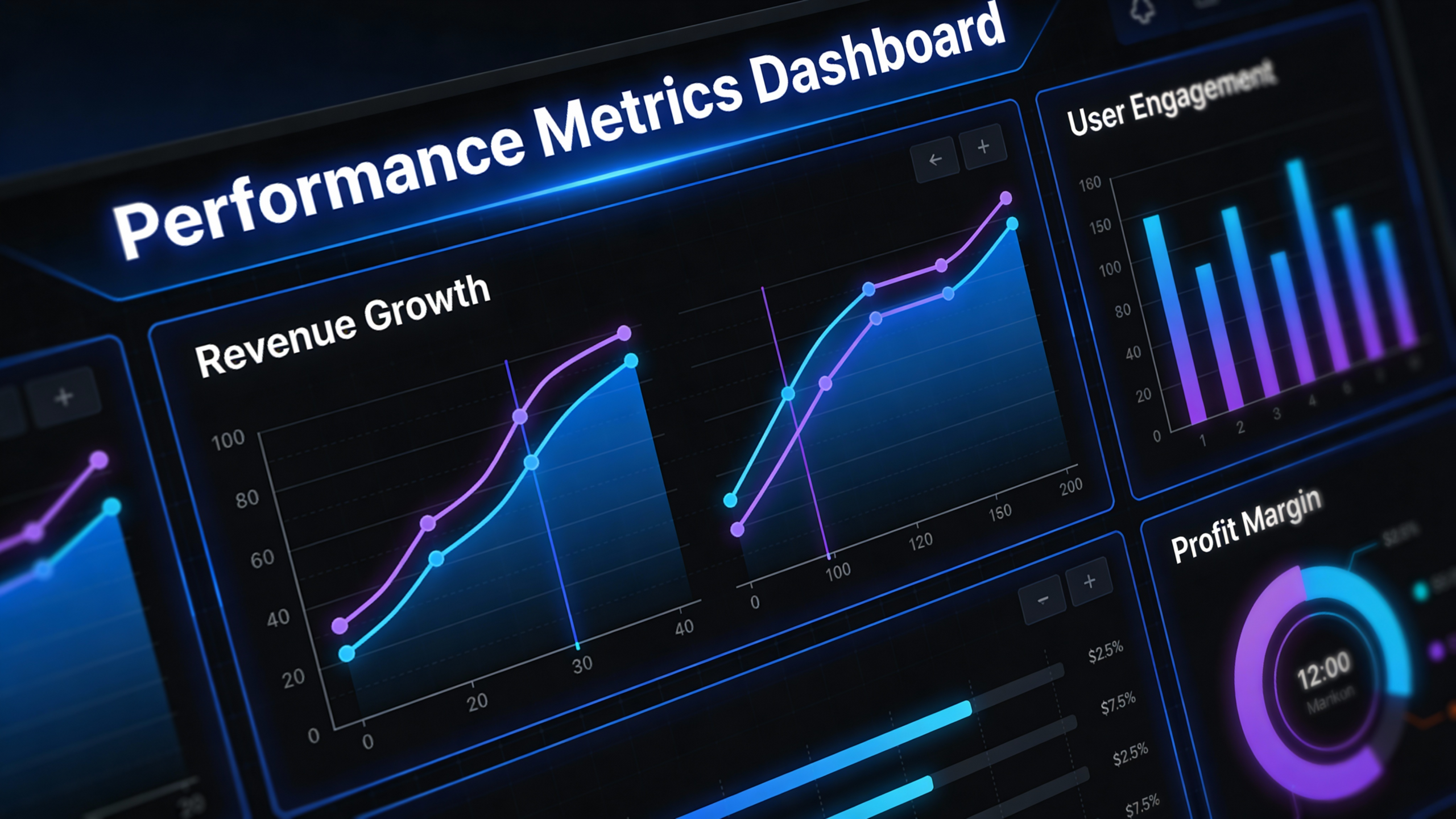
Okay, let’s get real here. I’ve been tracking both copy trading and signal automation for over two years now, and the numbers tell a pretty interesting story. Last month alone, I ran side-by-side comparisons using $500 test accounts on each approach, and man… the results surprised even me.
My copy trading portfolio on Bybit showed a 68% win rate, which sounds amazing until you dig deeper. The thing is, those wins were often small gains of 2-3%, while the losses? Yeah, they hit hard at 8-12% per trade. That’s the brutal reality of following someone else’s strategy without understanding their risk management. I watched one popular trader I was copying go from +15% to -22% in a single week during that crazy market volatility we had in March.
Signal automation told a completely different story. My automated setup maintained a more consistent 61% win rate, but here’s the kicker – the risk-reward ratio was way better. Every losing trade was capped at exactly 2% thanks to proper stop-loss automation, while winning trades averaged 4-6% gains. Do the math on that and you’ll see why I was actually sleeping better at night.
The success rates get even more interesting when you factor in market conditions. During high volatility periods, copy traders I was following started making emotional decisions. I literally watched my account swing $200 in opposite directions within hours because the trader panicked and closed positions early. Meanwhile, my signal automation just… kept doing its thing. No emotions, no second-guessing, just executing based on the predetermined rules.
Here’s what really opened my eyes: trading performance isn’t just about win rates. I kept detailed spreadsheets (yeah, I’m that guy), and over 6 months, copy trading gave me a 12% return with way more stress and screen time. Signal automation? 18% return with maybe 10 minutes of daily monitoring. The consistency was the game-changer.
The most telling stat? My copy trading account had 23 days where I lost more than 3% in a single session. Signal automation? Just 4 days. That’s the power of removing human emotion from the equation. When the market gets crazy, automated systems don’t get scared and start making random moves like we do.
Trust me, once you see these kinds of numbers side by side, it becomes pretty clear which approach actually builds wealth over time versus just creating exciting stories to tell your friends.
Risk Management: Which Strategy Protects Your Capital Better?
I learned about risk management the hard way back in 2021. Lost nearly 40% of my portfolio following a copy trader who didn’t use stop losses properly. That gut-wrenching feeling when you watch your balance drop while you’re sleeping? Yeah, never want that again.
Here’s the thing about portfolio protection – both copy trading and signal automation can blow up your account if you’re not careful. But they handle risk very differently, and understanding this could save you thousands.
Copy trading on Bybit gives you some control, but it’s limited. You can set your own position sizing and use their built-in stop loss features. Problem is, you’re still at the mercy of the trader you’re copying. If they decide to go all-in on a risky trade at 2 AM, you’re going along for the ride unless you manually intervene.
I remember copying this trader who had amazing returns for months. Then one day he decided to YOLO into some random altcoin with 10x leverage. My phone started buzzing with liquidation warnings while I was in a meeting. By the time I could react, half my copy trading balance was gone. The trader recovered eventually, but I was already wiped out.
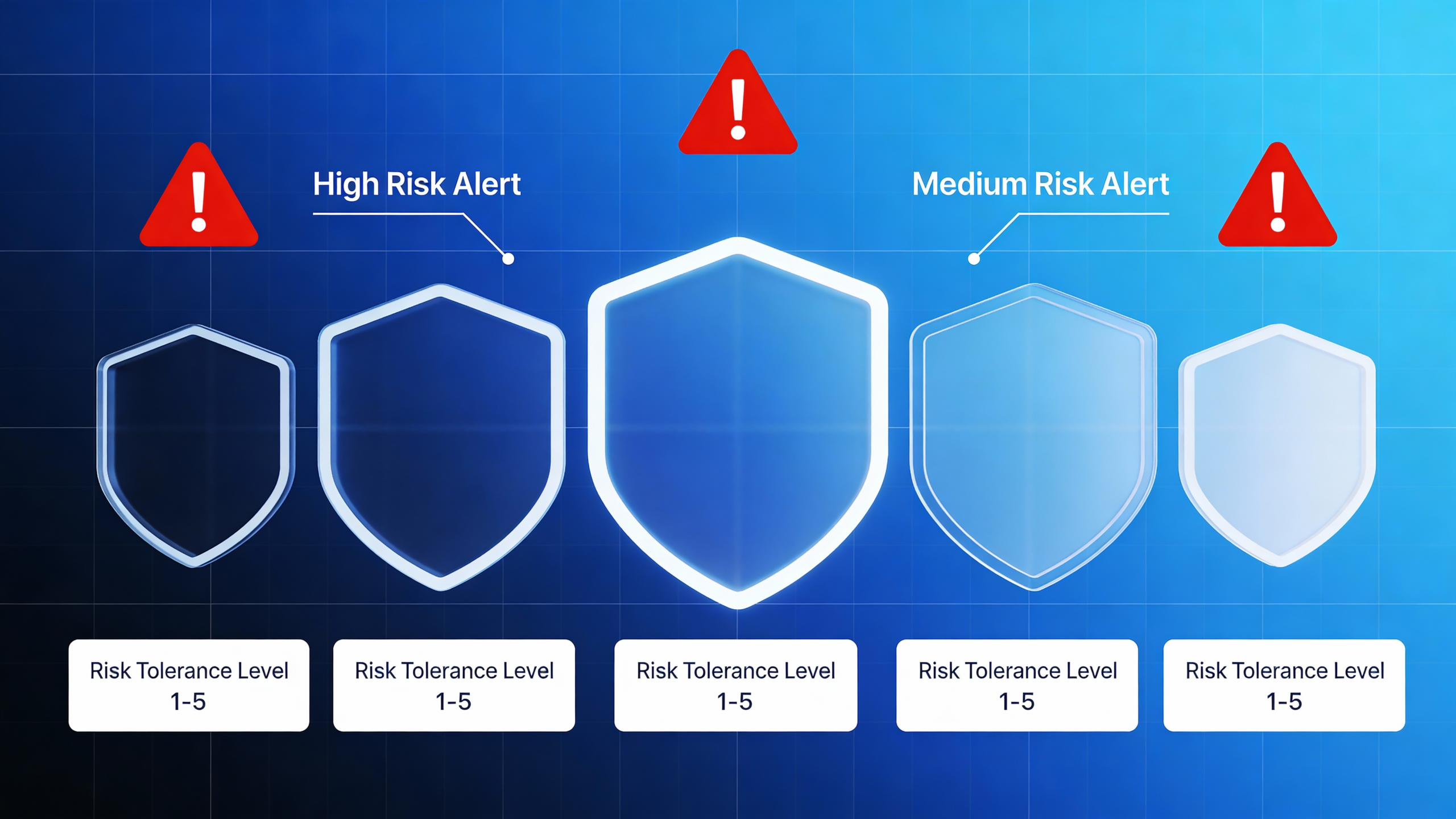
Signal automation handles trading risks completely differently. With tools like SignalShot, you set your risk parameters once and they’re applied to every single trade. Maximum position size, stop loss levels, daily loss limits – everything is automated based on YOUR risk tolerance, not some random trader’s gambling mood.
The beauty of automated risk management is consistency. Every signal gets the same risk treatment. No emotions, no late-night revenge trading, no sudden strategy changes. If a signal provider starts going crazy, your risk rules still apply to every trade.
But here’s what most people miss – signal automation requires you to actually understand risk management. Copy trading lets you be lazy about it. You just follow someone else and hope they know what they’re doing. With signals, you need to set proper stop loss levels, position sizes, and daily limits yourself.
My current setup? I use 2% risk per trade maximum, with stop losses at 1.5% of my total balance. Daily loss limit is 6%. These rules apply whether the signal is from the best trader in the world or some random channel. No exceptions, ever.
The winner for portfolio protection? Signal automation, hands down. You maintain complete control over your risk while still getting professional trade ideas. Copy trading might feel safer because someone else is «driving,» but you’re basically a passenger with no seatbelt.
User Experience and Control: Hands-On vs Hands-Off Trading
I’ll be honest with you – the user experience between copy trading and signal automation is like comparing a guided tour to having your own GPS. Both get you there, but the journey feels completely different.
When I first started with Bybit’s copy trading, I was glued to my phone. The mobile app is slick, don’t get me wrong, but I found myself constantly checking how my copied traders were performing. There’s this weird psychological thing where you want control but you’ve literally given it up to someone else. I’d watch trades happen in real-time and think «why didn’t they take profit there?» or «that stop loss is way too tight!» The platform gives you decent oversight – you can see every move your trader makes – but you’re basically a passenger watching someone else drive your money.
The trading control aspect really hit me during a particularly volatile week last year. My copied trader was making moves I didn’t understand, and while I could stop copying them, I couldn’t modify their individual trades. It’s an all-or-nothing approach that can be frustrating when you disagree with specific decisions.
Signal automation, on the other hand, puts you back in the driver’s seat while still giving you the convenience of automated execution. With something like SignalShot, I can forward a signal from Telegram and boom – it executes with my predefined risk settings. The user experience feels more personalized because I’m choosing which signals to act on and how much risk to take on each one.
Here’s where mobile trading really shines with automation: I can be at my kid’s soccer game, see a promising signal come through, and execute it in literally 10 seconds. No need to open charts, calculate position sizes, or worry about missing the entry. The signal comes in, I forward it, and my bot handles the rest according to my rules.
Customer support experiences have been night and day too. Bybit’s support is decent for platform issues, but when you’re having problems with a copied trader’s strategy, you’re kind of stuck. They can’t help with trading decisions – that’s between you and the trader you’re copying. With signal automation services, the support tends to be more hands-on because they understand both the technical setup and the trading logic.
The real kicker? With copy trading, you’re trusting someone else’s entire approach. With signal automation, you maintain control over your risk management while still getting the benefit of someone else’s analysis. It’s like having a really good trading advisor who whispers suggestions in your ear, but you still decide how much to bet on each hand.
Which Strategy Should You Choose in 2026?
Man, I wish someone had laid this out for me when I started trading back in 2019. I literally bounced between copy trading and signal automation like a ping pong ball for months, losing money on both because I never committed to learning either properly.
If you’re just starting out, here’s the brutal truth – copy trading is probably your best bet for beginner trading. I know it sounds boring compared to all the flashy automation talk, but hear me out. When I first tried signal automation, I spent more time tweaking settings than actually learning about the markets. Copy trading forces you to watch real traders make real decisions in real time.
Start with copy trading for 3-6 months. Pick 2-3 traders max (I made the mistake of copying 8 different people once – what a disaster). Watch their moves, understand their risk management, and slowly start to recognize patterns. This is your trading education, not your get-rich-quick scheme.
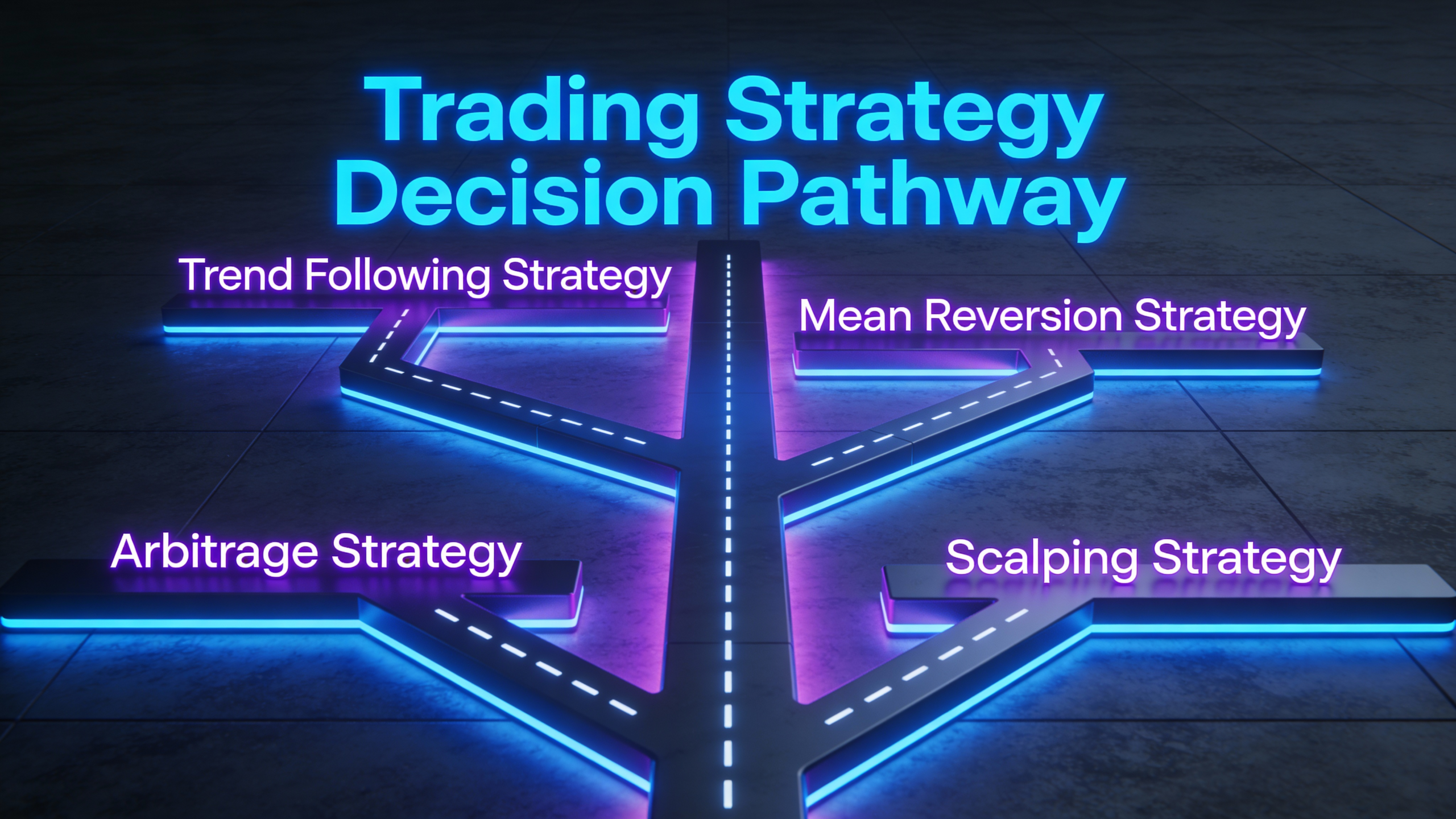
For intermediate traders, this is where trading strategy selection gets interesting. You’ve probably got some wins under your belt, maybe some painful losses too. This is actually the perfect time to experiment with hybrid strategies. I started mixing copy trading with selective signal automation around my second year, and it was a game changer.
Here’s what worked for me: I kept 60% of my portfolio in copy trading with proven performers, then used 40% for signal automation on specific setups I understood well. The key was treating them as complementary, not competing strategies.
Advanced trading folks – you probably already know what you want. But here’s something that might surprise you: some of the most successful traders I know in 2024 are using hybrid approaches. They’re not too proud to copy trade during volatile markets while running their own automated systems during stable periods.
The reality is that 2026 markets are going to be wild. We’ve got potential rate changes, evolving crypto regulations, and AI getting smarter every day. Having multiple strategies isn’t just smart – it’s necessary for survival.
My recommendation? Start simple, scale gradually, and never put all your eggs in one basket. Whether that’s copy trading, signal automation, or a mix of both, the best strategy is the one you actually understand and can stick with when things get rough.
Conclusion
After diving deep into this bybit trading platform review and comparing both approaches, I’ve gotta be honest – the choice between copy trading and signal automation really comes down to what kind of trader you want to be.
Look, I’ve been there. Started with copy trading because it seemed easier, just like following someone else’s homework in school. The copy trading advantages are real – you can literally sit back and watch someone else make moves. But here’s what I learned the hard way: you’re basically putting your financial future in someone else’s hands without really understanding why they’re making those decisions.
The signal automation advantages hit different though. When I switched to automated signal execution, suddenly I had control again. I could see exactly what signals were coming in, adjust my risk settings, and most importantly – I understood every single trade that was happening in my account. That transparency? Game changer.
From a pure numbers perspective, the bybit copy trading benefits might look appealing initially. But when you factor in the fees, the lack of control, and the blind trust required, automated signal services start making way more sense. Especially when you’re talking about long-term copy trading investment versus signal automation investment strategies.
Here’s my take after months of testing both: if you’re serious about building consistent bybit trading profits, you need an automated crypto trading platform that gives you the reins. Copy trading might give you some wins, but signal automation gives you education, control, and sustainable growth.
The copy trading success stories you see online? They’re real, but they’re also incomplete. What they don’t show you are the months of losses when the trader you’re copying has a bad streak. Signal trading success, on the other hand, comes from understanding market signals and having systems that execute them consistently.
When it comes to bybit trading features comparison and overall crypto trading automation comparison, signal automation wins hands down. You get better risk management, lower costs, full transparency, and most importantly – you actually learn how to trade.
So here’s my challenge to you: stop following other people’s trades and start building your own automated trading system. The learning curve might seem steep, but trust me, it’s worth every minute.
Ready to take control of your crypto trading journey? Start Your Free Trial with SignalVision today and experience what real automated signal execution feels like. Your future self will thank you for making the switch.
Related Articles


Leave a Comment