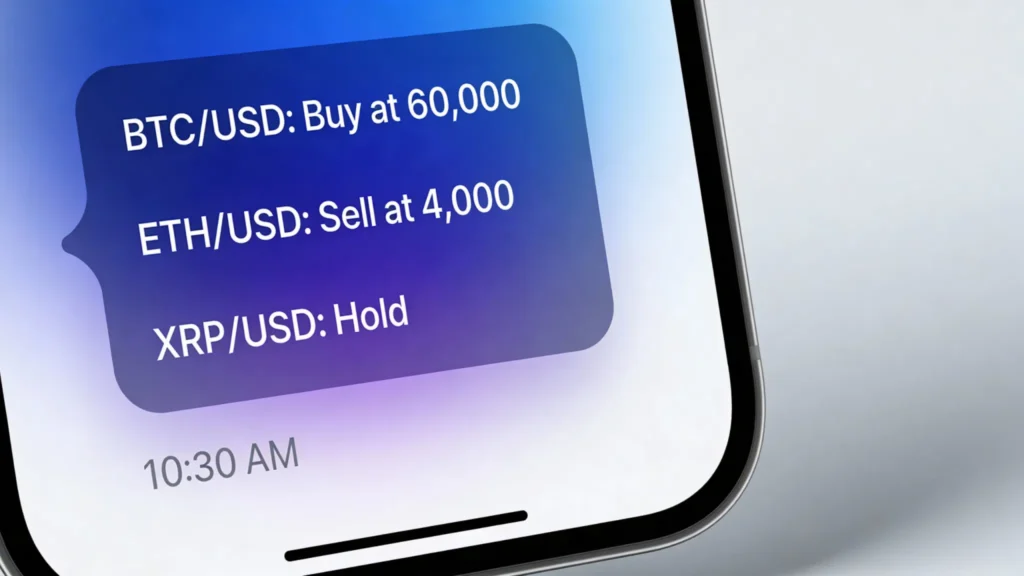
Did you know that over 2.3 billion messages containing trading signals are sent daily across Telegram channels? Yeah, that stat blew my mind too when I first discovered it. I’ve been diving deep into the world of crypto trading signals telegram for the past four years, and honestly, it’s been one hell of a rollercoaster.
Here’s the brutal truth that nobody talks about: 90% of traders fail because they don’t know how to properly evaluate and execute telegram trading signals. I learned this the hard way after blowing through $3,000 in my first month chasing every shiny signal that popped up in my feed. Man, was I naive back then.
The thing is, I started like most people do – frantically joining every “best telegram signal channels” I could find. Free groups, premium channels, you name it. I thought more signals meant more profits. Boy, was I wrong. I was getting 50+ signals a day from different crypto signal providers, and my brain was fried trying to keep up with all of them.
What really opened my eyes was when I realized that the difference between free crypto signals and premium trading signals isn’t always about quality – it’s about how you process and execute them. Some of the best calls I’ve ever seen came from smaller, lesser-known channels, while some premium groups were just recycling the same generic TA everyone else was posting.
The game-changer for me was discovering automated crypto trading and signal automation. Instead of manually copying every trade and stressing about timing, I learned to set up systems that could handle the execution while I focused on the strategy. This shift from manual copy trading signals to automated execution literally saved my trading career.
But here’s what most guides won’t tell you: the technical setup is only half the battle. Crypto trading psychology plays a massive role in your success. I’ve seen traders with perfect signal setups fail because they couldn’t handle the emotional side of following other people’s calls. There’s also the dark side – signal trading risks that can wipe you out if you’re not careful about position sizing strategies.
The telegram space is also crawling with scammers. Learning to distinguish between legitimate signal providers and telegram scam signals became crucial after I got burned by a fake group that disappeared with hundreds of members’ subscription fees. Signal provider verification is now part of my standard process.
This comprehensive guide will transform you from a signal follower into a strategic signal trader who actually knows what they’re doing. No more FOMO trades, no more blown accounts, no more sleepless nights wondering if you picked the right signal.
What Are Crypto Trading Signals on Telegram and Why They Matter
I’ll never forget my first encounter with telegram trading signals. It was 2021, Bitcoin was going nuts, and I was desperately trying to figure out when to buy and sell. My buddy Jake sends me this random Telegram link and goes “Dude, just follow these signals.” I had no clue what he meant.
Here’s the thing about trading signal definition that nobody explains properly – it’s basically someone else doing the heavy lifting of market analysis for you. Think of it like getting a text from your smart friend saying “Hey, buy ETH now at $3,200, sell at $3,400.” That’s essentially what a crypto signal is.
But here’s where it gets interesting. Crypto signal providers on Telegram aren’t just throwing darts at a board. The good ones are running complex technical analysis, monitoring market sentiment, tracking whale movements, and crunching data 24/7. They package all that brain power into simple buy/sell instructions that regular folks like us can actually use.
I learned this the hard way when I first started following signals blindly. Made some money, lost some money, then realized I was missing the bigger picture. These signals usually come with entry points, take profit levels, and stop losses. It’s like having a GPS for your trades instead of driving around lost.
What makes Telegram perfect for this is the speed. Markets move fast – like, really fast. By the time you check your email or log into some fancy platform, the opportunity is gone. Telegram notifications hit your phone instantly. I’ve caught signals at 3 AM that made me decent profits while I was half asleep.
The variety is insane too. You’ve got scalping signals for quick 5-minute trades, swing signals for longer holds, futures signals for leverage trading. Some providers focus on specific coins, others cover the whole market. I’ve seen channels with 100,000+ members all getting the same signals simultaneously.
But here’s what really matters – consistency and risk management. The best signal providers don’t promise you’ll get rich overnight. They focus on steady, manageable gains with proper risk controls. That’s the difference between gambling and actual trading.
The real game-changer is when you can automate these signals instead of manually placing every trade. Trust me, sitting there waiting for signals and frantically opening your exchange gets old fast.
How to Identify Legitimate Crypto Signal Providers on Telegram
I’ve been burned more times than I care to admit by fake signal providers on Telegram. Back in 2021, I joined this flashy group promising “guaranteed 500% returns” – yeah, I should’ve known better. Lost about $800 following their signals before realizing they were just posting random trades and deleting the losing ones. That expensive lesson taught me everything I know about spotting legitimate signal providers.
The first red flag? Any group claiming unrealistic returns. Real traders know that consistent 10-20% monthly gains are actually phenomenal in crypto. If someone’s promising you’ll triple your money in a week, run. I mean it – close the app and go for a walk.
Here’s what I look for now when evaluating signal providers. First, transparent track records. Legit providers show their full trading history, including losses. They’re not afraid to discuss their worst trades because that’s how you learn. I once found a provider who posted detailed breakdowns of why certain trades failed – that’s when I knew they were the real deal.
Second thing: they never ask for your exchange login details. Ever. I can’t stress this enough because I’ve seen people get completely wiped out by telegram scam signals that required account access. A legitimate provider gives you signals, not access to your funds. Period.
For proper signal provider verification, I always check their posting consistency. Scammers tend to go quiet after big losses or suddenly change their strategy completely. Real providers maintain steady communication, explain market conditions, and adjust their approach gradually based on what’s working.
Look at their community engagement too. Legitimate groups have active discussions where members share experiences and ask questions. Fake groups either have no interaction or just endless praise from bot accounts. I remember joining one group where every comment was “Amazing signals!” or “Best provider ever!” – total bot farm.
Another crucial check: do they provide proper risk management? Good signal providers always include stop losses, position sizing recommendations, and warnings about market volatility. They’re not just throwing trade ideas at the wall hoping something sticks.
Finally, test them with small amounts first. I never risk more than 1-2% of my portfolio on signals from a new provider, no matter how convincing they seem. This approach has saved me from several near-disasters over the years. Trust is earned in crypto, not given freely.
Top Telegram Channels for Crypto Trading Signals in 2026
Alright, let’s get real about finding the best telegram signal channels out there. I’ve been down this rabbit hole more times than I care to admit, and trust me, I’ve seen it all – from channels promising 500% gains daily to ones that actually deliver consistent results.
First up, let’s talk about free crypto signals. Yeah, I know what you’re thinking – “free sounds amazing!” But here’s the thing I learned the hard way: most free channels are either complete garbage or they’re just teasing you to upgrade to their premium stuff. That said, there are a few gems worth checking out.
CryptoSignalsWorld has been around since 2019 and they actually post decent free signals. Their hit rate isn’t spectacular – maybe 60% – but hey, it’s free. I used them when I was starting out and made some pocket change. Nothing life-changing, but enough to buy a few coffees.
Then there’s Crypto Inner Circle. These guys post maybe 2-3 free signals per week, but they’re usually solid. The catch? You’ll get bombarded with ads for their premium service every other message. Still, if you can ignore the noise, their free stuff is legit.
Now, if you’re serious about this game, premium trading signals are where the real action is. I’ve tried probably a dozen different premium channels over the years, and most are overpriced garbage. But a few stand out.
Binance Killers VIP costs $99/month, but man, these guys know their stuff. Their risk management is on point, and they actually explain their reasoning behind each trade. I made back my subscription fee in the first week. They focus heavily on futures trading and their stop-loss strategies saved my ass more times than I can count.
Crypto Banter Signals is another solid choice at $75/month. What I love about them is they don’t just throw signals at you – they educate. Each signal comes with detailed analysis and market context. Perfect if you’re trying to learn while you earn.
Here’s my honest take: start with a free channel to get your feet wet, but don’t expect miracles. Once you’re comfortable with the process and understand how signals work, invest in a quality premium service. The key is finding channels that prioritize risk management over flashy win rates. Trust me on this one – I’ve blown accounts chasing those “90% win rate” promises.
Reading and Interpreting Crypto Signals: A Step-by-Step Guide
I’ll be honest – my first few weeks of following crypto signals felt like trying to decode hieroglyphics. I’d see these messages in Telegram channels with random numbers, abbreviations, and percentages that might as well have been written in ancient Greek. Lost about $200 in the first week because I completely misunderstood what “TP2: 0.00234” meant.
Learning how to read trading signals properly is absolutely crucial before you start throwing money around. Most crypto signals follow a pretty standard format, and once you crack the code, it becomes second nature.
Here’s what a typical signal looks like:
BTC/USDT LONG
Entry: 42,500 – 42,800
Stop Loss: 41,200
TP1: 43,500 (30%)
TP2: 44,200 (40%)
TP3: 45,000 (30%)
Leverage: 5x
Let me break down each piece for you. The first line tells you the trading pair (BTC/USDT) and direction (LONG means you’re betting the price goes up, SHORT means down). This part’s pretty straightforward, but I’ve seen newbies accidentally go short when the signal said long – expensive mistake.
The entry range is your buy zone. Don’t just market buy at whatever price – wait for the price to hit somewhere between 42,500 and 42,800. I used to panic buy the moment I saw a signal, usually catching the worst possible entry price. Patience pays off here.
Stop loss is your safety net – if BTC drops to 41,200, you’re out. No emotions, no “maybe it’ll bounce back.” I learned this the hard way when I ignored a stop loss on LUNA thinking I knew better than the signal provider. Spoiler alert: I didn’t.
The take profit levels (TP1, TP2, TP3) are where you sell portions of your position. Those percentages tell you how much to sell at each level. So at TP1, you’d close 30% of your position, banking some profit while letting the rest ride. Signal interpretation gets easier when you understand this risk management approach.
Leverage is how much you’re borrowing – 5x means for every $100 you put in, you’re trading with $500. Higher leverage = higher risk. Started with 20x leverage once and got liquidated in about 10 minutes. Not fun.
The trickiest part of crypto signal format interpretation is timing. Some signals are meant for immediate execution, others might take hours or days to hit their entry zones. Always check if there’s a timeframe mentioned, and don’t chase entries that have already moved 5% past the suggested range.
Manual vs Automated Execution of Telegram Crypto Signals
Let me tell you about the night I lost $800 because I was too slow with my fingers. It was 2 AM, my phone buzzes with a signal from one of my premium channels. Bitcoin was about to break resistance, the signal looked solid, and I had maybe 30 seconds before the move happened.
I fumbled around trying to open Binance, calculate my position size, and place the order. By the time I hit buy, the price had already pumped 3%. I watched in frustration as other traders who got in early were already booking profits while I was stuck with a mediocre entry.
That’s when I realized the brutal truth about manual execution – you’re always fighting against time, and time usually wins. Manual trading means you’re constantly glued to your phone, ready to drop everything when a signal hits. Sure, you have complete control over every trade, but at what cost?
I spent months doing everything manually. Setting stop losses, calculating risk percentages, switching between exchanges when one didn’t have the pair I needed. The stress was eating me alive, especially when signals came during work meetings or family dinners.
Then I discovered automated crypto trading, and honestly, it felt like cheating. Instead of racing against the clock, I could set my parameters once and let the system handle everything. When a signal comes through, boom – it’s executed in milliseconds with proper risk management already baked in.
The difference is night and day. With signal automation, I’m not missing trades because I’m stuck in traffic or sleeping. The system doesn’t get emotional, doesn’t second-guess entries, and doesn’t fat-finger orders when adrenaline kicks in.
But here’s what nobody tells you about copy trading signals – not all automation is created equal. Some platforms are clunky, others don’t work with your favorite signal channels, and many require you to completely change how you trade.
The sweet spot is finding automation that works with your existing setup. You shouldn’t have to abandon the signal providers you trust or learn a completely new platform. The best signal automation just plugs into what you’re already doing and makes it faster, more precise, and way less stressful.
After switching to automated execution, my win rate didn’t necessarily improve, but my entries got cleaner, my risk management became consistent, and I stopped losing sleep over missed opportunities. Sometimes the best trading decision is knowing when to let technology handle the heavy lifting.
Risk Management and Psychology of Following Crypto Signals
I’ll be brutally honest here – following crypto signals nearly destroyed my trading account three times before I figured out the psychology behind it. The first time was back in 2021 when I was throwing my entire account at every “guaranteed moonshot” signal that popped up in my Telegram feed.
The problem wasn’t the signals themselves. It was me being a complete idiot about position sizing strategies.
Here’s what nobody tells you about crypto trading psychology when you’re following signals: your brain turns into this weird gambling machine. You see a signal with 90% accuracy claims, and suddenly you’re thinking “this is it, this is my ticket to financial freedom.” So you YOLO 50% of your account into one trade.
I learned this lesson the hard way when a “sure thing” LUNA signal wiped out $3,200 of my portfolio in May 2022. Yeah, that LUNA. The one that went to basically zero overnight.
The signal trading risks aren’t just about bad calls – they’re about how signals mess with your head. You start chasing losses, doubling down on the next signal to “make it back.” I’ve seen traders go from disciplined investors to degenerate gamblers in a matter of weeks just because they couldn’t handle the psychological pressure.
My position sizing rule now is dead simple: never risk more than 2% of my total account on any single signal. Doesn’t matter if the signal provider claims 99% accuracy or if their track record looks like they’re the crypto trading god. Two percent, period.
But here’s the tricky part about crypto trading psychology – even with proper position sizing, you’ll still feel FOMO when you see other people posting their massive wins in the group chat. Sarah made 400% on that PEPE signal while you only made 8% because you followed proper risk management? Good for Sarah. Don’t let that mess with your head.
I also learned to set my stop losses BEFORE I enter any position from a signal. Not after I’m down 15% and panicking. Before. Write it down, set the order, and stick to it no matter what the group chat is saying about “diamond hands” or “buying the dip.”
The most successful signal followers I know treat each signal like a small experiment, not a life-changing event. They track their results, adjust their position sizes based on performance, and most importantly – they never let emotions drive their decisions when following signals.
Advanced Strategies: Creating Your Own Signal Analysis System
Okay, here’s where things get real. After following signals for about two years, I hit this wall where I realized I was basically just a glorified copy-paste machine. Don’t get me wrong – good signals work. But I wanted to understand why they worked, and more importantly, when they didn’t.
So I started building my own signal analysis system. And let me tell you, my first attempt was a hot mess. I had this massive Excel sheet with like 47 different columns tracking everything from moon phases to Twitter sentiment. Spoiler alert: most of it was useless noise.
The breakthrough came when I simplified everything down to what actually mattered. I started tracking just five key metrics for each signal: entry accuracy, exit timing, risk-to-reward ratio, market conditions, and signal source reliability. That’s it. Sometimes less really is more.
Here’s how I built a system that actually works:
First, I created a simple scoring system for signal providers. Every signal gets logged with its outcome – win, loss, or breakeven. But here’s the kicker: I also track when during market cycles these signals perform best. Some providers are absolute wizards during bull runs but crash and burn in sideways markets.
For trading signal tracking, I use a basic spreadsheet that automatically calculates win rates over different timeframes. Weekly, monthly, and quarterly performance tells completely different stories. I learned this the hard way when a provider had an amazing month but was actually bleeding me dry over six months.
The game-changer was adding market context to every signal. Is Bitcoin above or below the 200-day moving average? What’s the overall market sentiment? Are we in a news-heavy period? These factors completely change how signals perform, and most people ignore them entirely.
Independent crypto trading isn’t about reinventing the wheel – it’s about understanding which wheels work when. I still follow signals, but now I have my own filter system. If a signal doesn’t meet my criteria based on current market conditions and the provider’s historical performance in similar situations, I skip it.
The best part? This system helped me identify which of my followed channels were actually profitable long-term. Turns out, three of my “favorite” signal providers were net losers when you factored in fees and slippage. Ouch.
Building your own signal analysis system takes time, but it’s the difference between being a trader and being someone who just follows instructions. Trust me, your future self will thank you for putting in this work now.
Conclusion
Look, I’ve been in this crypto game long enough to know that mastering crypto trading signals on Telegram isn’t something that happens overnight. It’s taken me years of trial and error, blown accounts, and those painful “what if” moments to really understand what makes a solid crypto signal methodology work.
The biggest lesson I’ve learned? Your trading signal accuracy rate matters way less than your ability to manage risk and stick to your plan. I’ve seen traders chase 90% win rates only to lose everything on that one signal they over-leveraged. Meanwhile, guys with 60% accuracy rates are consistently profitable because they understand position sizing and signal provider ethics.
Here’s what really separates successful signal traders from the rest: they’ve built a proper crypto signal filtering system. They’re not just blindly copying every signal that pops up in their feed. Instead, they’re using telegram signal automation tools that handle the heavy lifting while maintaining strict risk parameters. Smart traders know that trading signal integration should feel seamless, not stressful.
The future belongs to traders who embrace trading signal technology without losing sight of the fundamentals. Your crypto signal dashboard should give you clear insights into your signal trading metrics – win rates, average returns, drawdowns, the whole picture. But remember, these numbers only matter if you’re learning from them and improving your trading signal workflow.
I can’t stress this enough: proper signal provider assessment and ongoing telegram crypto education are non-negotiable. The crypto market evolves fast, and so should your approach to crypto signal optimization. What worked last year might not work today, and that’s okay. Adaptability is your superpower.
The most successful traders I know have mastered telegram signal management by combining automation with human judgment. They’ve established crypto signal best practices that protect their capital while maximizing opportunities. They understand that signals are just one piece of their trading puzzle – you still need solid fundamentals, proper risk management, and the discipline to stick to your plan even when emotions are running high.
Never risk more than you can afford to lose. I know it sounds cliché, but I’ve watched too many good traders blow up their accounts because they forgot this basic rule. Your trading account isn’t a lottery ticket – it’s a business that needs to be managed professionally.
Ready to take your signal trading to the next level? The tools exist to transform how you approach this game. Start Your Free Trial with automated execution technology that can handle the technical stuff while you focus on strategy and risk management. Your future self will thank you for making this decision today.
Leave a Comment